Turning Growth Challenges into Community-Driven Solutions
In this special edition of CEO Scoop Magazine, Leadership Spotlight: Most Acclaimed Business Leader of the Year 2026, the focus turns to Cindy Eggleton, CEO and Co-Founder of Brilliant Detroit—a purpose-driven leader transforming communities by putting families and children at the center of change.
Cindy Eggleton has built her career around a powerful belief: that meaningful, lasting transformation begins at the grassroots level—working with, for, and by families. Her leadership journey reflects a deep commitment to creating a Detroit where every child has the opportunity to succeed, thrive, and reach their full potential.
Before leading Brilliant Detroit, Cindy played a pivotal role at United Way for Southeastern Michigan, where she oversaw a $60 million education portfolio and helped bring the Federal Social Innovation Fund to the city. Her work contributed to improving high school graduation rates and training over 15,000 early childhood caregivers—laying the foundation for systemic change in education and community development.
Today, under her leadership, Brilliant Detroit has grown into a nationally recognized model for neighborhood-based impact. By transforming vacant houses into community hubs for education, health, and family support, the organization is driving measurable outcomes for children and families across Detroit.
For Cindy, this is more than a role—it is the work of her life. Her vision extends beyond one city, with a mission to scale this model and create population-level change in communities across the country.
Cindy Eggleton’s leadership stands as a testament to the power of collaboration, compassion, and community-driven innovation—redefining what it means to lead with purpose and impact in today’s world.
Q: Please share the beginning of your career journey with us.
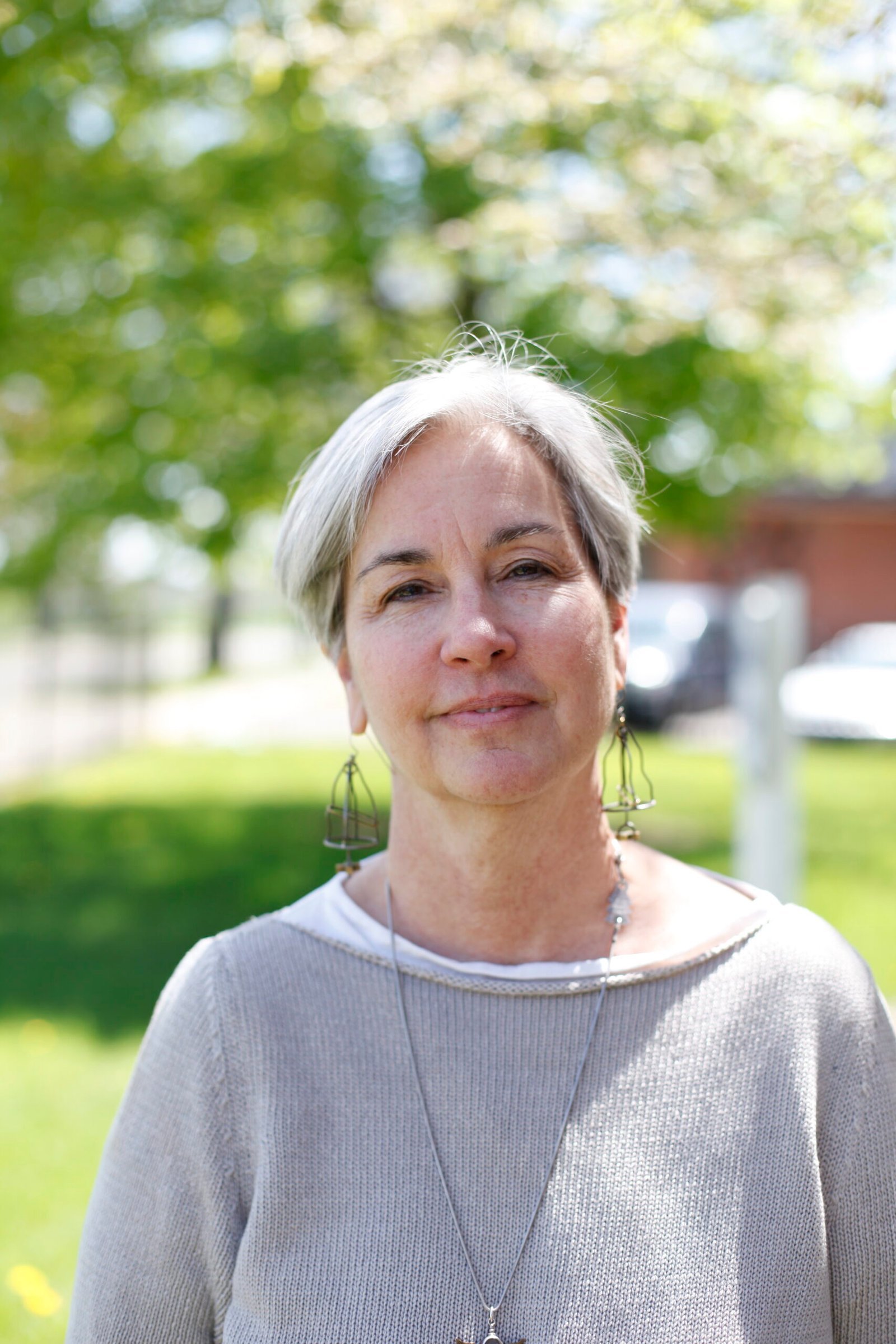
Cindy Eggleton:
My journey really began with my upbringing. I grew up in poverty, but I was supported by incredibly caring parents who believed deeply in the power of education. They made sure I understood that education could open doors, even when circumstances were difficult. Because of their support, I became the first person in my family to graduate from high school, and I later went on to earn a master’s degree in psychology.
Early in my career, I had the opportunity to lead a creative agency, which helped me develop skills in communication, problem-solving, and building relationships. I later transitioned into the nonprofit sector, where I served as the Senior Director of Community Impact at a Detroit-based foundation. In that role, I oversaw more than $60 million in education funding, focusing on improving outcomes for children and families.
Throughout these experiences, I learned something that would shape everything I do today—I learned how to truly listen. I learned how to work collaboratively with clients, partners, and communities to build a shared vision. Those skills became the foundation of my leadership approach and later became central to the work of Brilliant Detroit.
My path took a pivotal turn through my work in early childhood education, where I met Jim and Carolyn Bellinson. We quickly bonded over a shared commitment to creating systemic change for families in Detroit. As we examined the early childhood landscape, we realized something important: the issue wasn’t a lack of services—it was a lack of coordination.
Families were often forced to navigate multiple systems, travel to different locations, and figure things out on their own. We knew there had to be a better way.
Together, we designed a new model—one that focused on listening to communities, removing barriers, and bringing services directly to where families live. That vision led to the creation of Brilliant Detroit.
Our goal was clear: to improve youth literacy, break cycles of poverty, and provide families with the resources and support they need to thrive. We began transforming vacant houses into community hubs—spaces where families could access education, health resources, and support systems, all within their own neighborhoods.
Looking back, every step of my journey—from my childhood to my professional experiences—led me to this work. It’s not just my career; it’s truly the work of my life.
Q: Could you highlight the key offerings of your organization?
Cindy Eggleton:
Our work through Brilliant Cities is really an extension of the model we’ve built at Brilliant Detroit—a model that has been refined and proven over nearly a decade. At its core, our approach is about meeting families where they are, both figuratively and literally.
One of the most important aspects of our model is proximity and accessibility. Our hubs are located directly within neighborhoods, which means families don’t need transportation to access services. They can simply walk to a location within 20 minutes or less. That level of accessibility removes one of the biggest barriers many families face.
Equally important is community involvement. We don’t enter neighborhoods with a top-down approach. Instead, we build trust by engaging with residents, local leaders, church groups, and community organizations before establishing a hub. Each location has an advisory group made up of neighbors and community leaders who help guide decisions. We believe strongly in working for, by, and with the community.
Another key offering is our role as a convener of services. In Detroit alone, we partner with more than 250 organizations, bringing together experts in education, healthcare, and family support. Rather than duplicating services, we connect families with the best resources available, all in one place. This creates a collaborative ecosystem where everyone benefits—families gain access, and partners reach those who need their services most.
Accessibility also means removing financial barriers. All of our programs and services are completely free for participating families. This ensures that support is not limited by income or circumstance.
Our offerings are built around four core pillars: health, education, family support, and community connection. At our hubs, families can access literacy tutoring, health screenings, exercise classes, support for expecting parents, and community gatherings like shared meals. These programs are designed not just to provide services, but to build relationships and strengthen the fabric of the community.
Ultimately, our goal is to create spaces where families feel supported, connected, and empowered—because when communities thrive, children succeed.
Q: What are your long-term goals, and where do you envision yourself in the coming years?
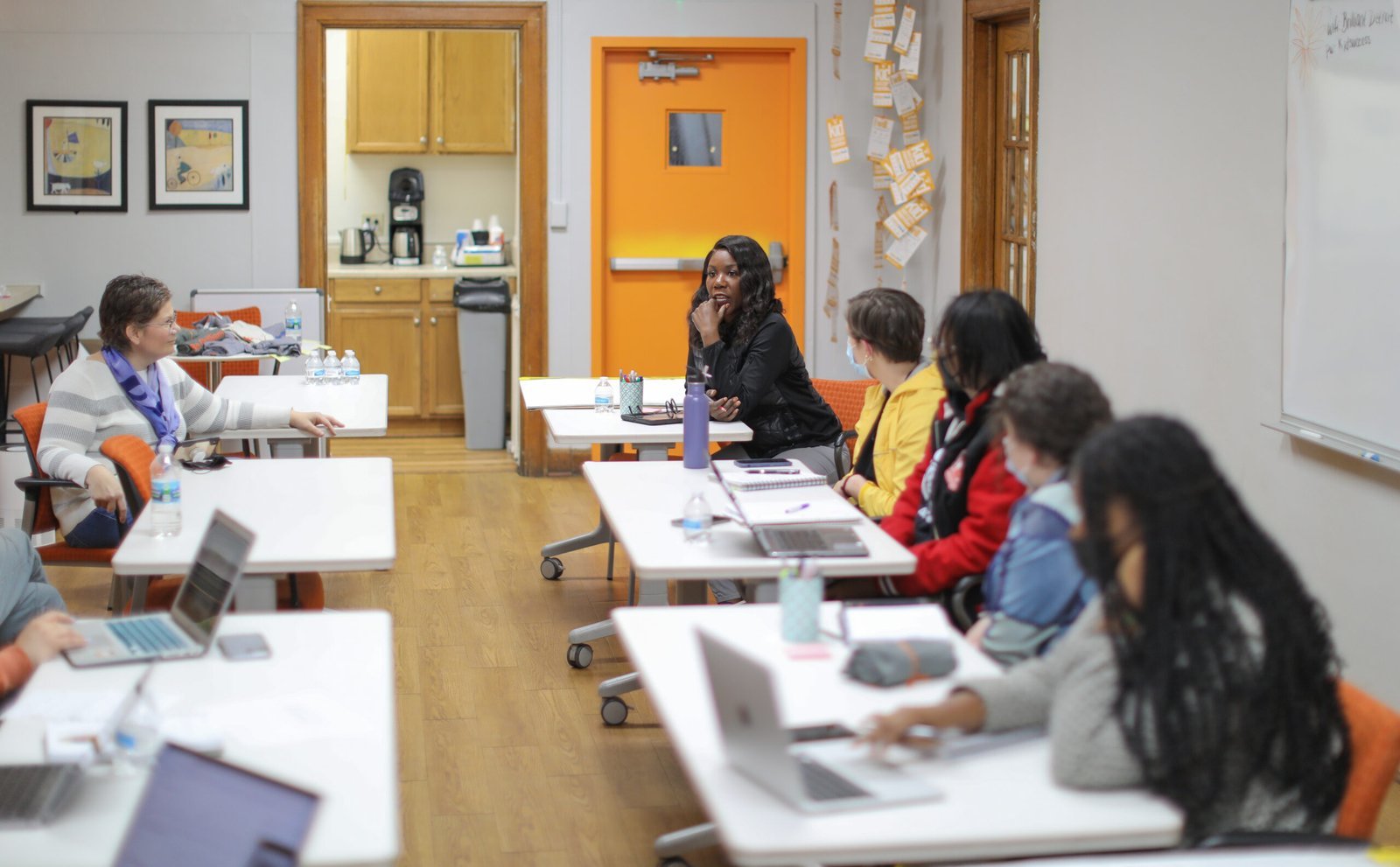
Cindy Eggleton:
Our long-term vision with Brilliant Cities is to scale the success of the Brilliant Detroit model and reach a cumulative total of 250,000 children and caregivers over the next decade. What we’ve built in Detroit has shown us what’s possible when communities are supported in the right way, and now the focus is on expanding that impact thoughtfully and effectively.
We understand that every city, state, and country is different, so our approach is not about replication—it’s about adaptation. We see ourselves as a connection model, one that identifies the strengths and resources already present within a community and brings them together in a more coordinated, accessible, and impactful way. It’s about taking what already exists and deploying it in a new and meaningful way.
In each Brilliant City, our goal is to drive population-level change. The work is rooted in addressing critical challenges, particularly low youth literacy rates and high poverty levels among families with young children. These issues are not isolated—they are systemic, and our mission is to help shift those outcomes in a measurable, positive direction.
Looking ahead, I see us continuing to deepen our impact in the cities we currently serve, strengthening relationships, refining our model, and expanding the reach within those communities. At the same time, we are preparing for growth. With interest from 40 cities and 12 countries already, there is a clear demand for this kind of work.
The future is both ambitious and exciting. It’s about scaling with purpose, staying rooted in community, and ensuring that as we grow, we never lose sight of the families at the heart of everything we do.
Q: Who has been the most significant source of inspiration in your life?
Cindy Eggleton:
My parents have been my greatest source of inspiration and the foundation of everything I do today. They both came from very difficult backgrounds, growing up in poverty and within the foster care system. Despite those challenges, they made a conscious decision to create a loving, stable, and supportive environment for our family.
They believed deeply in the power of education as a pathway out of poverty and into opportunity. That belief shaped my life. Because of their guidance and encouragement, I became the first in my family to graduate from high school, and that achievement ultimately set me on the path to where I am today.
But beyond education, they instilled something even more important—a sense of purpose. In our home, there was always a clear message: we are here to support others and to leave things better than we found them. That mindset has stayed with me throughout my life and is at the heart of the work we do at Brilliant Detroit.
They also taught me resilience. Life will always bring challenges, setbacks, and moments of uncertainty. What matters is how you move through those moments—with grit, determination, and the support of people who believe in you. That lesson has carried me through both my personal and professional journey.
Today, as I raise my own son and continue this work through Brilliant Cities, I see their influence in everything I do. Honoring their legacy means continuing to create opportunities for others, supporting families, and helping communities thrive—just as they taught me.
Q: Please list some of the notable recognitions and accreditations that you and your organization received.
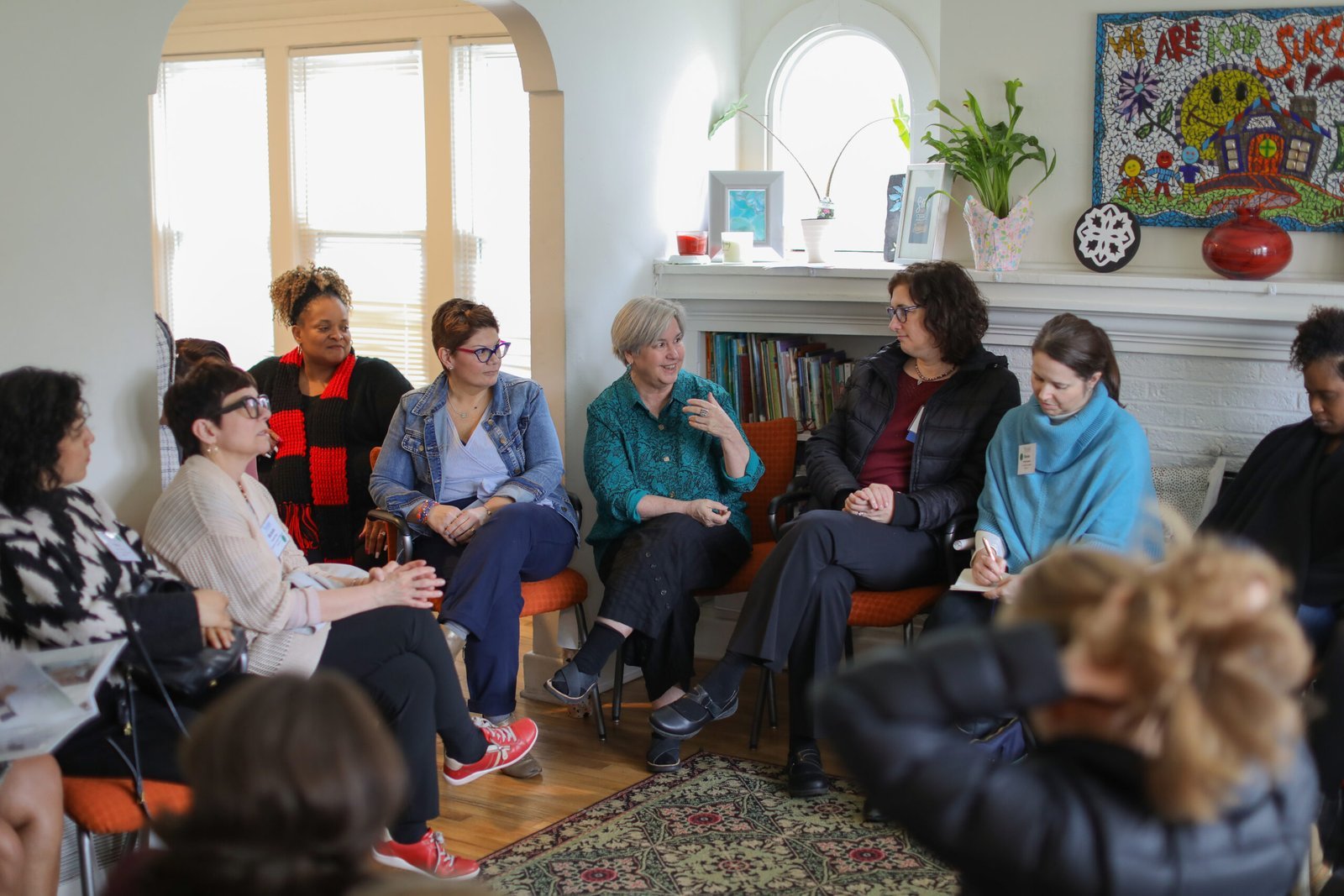
Cindy Eggleton:
Over the course of my career, I’ve been honored to receive a number of recognitions that reflect not just individual achievement, but the collective impact of the work we do at Brilliant Detroit.
In 2025, I was recognized by the International Association of Top Professionals as Top Advocate and CEO of the Year in Community Engagement, and also named Empowered Woman of the Year. I will be considered for inclusion in TIP Magazine and, in December 2026, will be honored at the IAOTP Annual Awards Gala at the Plaza Hotel in New York City, where I will also be recognized as one of IAOTP’s Top 50 Fearless Leaders.
In addition, I have been fortunate to receive several other meaningful honors, including the 2021 AARP Purpose Prize, the 2023 Elevate Prize, and the 2025 Alternatives for Girls Role Model Award. I was also honored with the 2025 Mariam C. Noland Award for Nonprofit Leadership and named 2025 CEDAM Leader of the Year.
While these recognitions are deeply appreciated, I view them as affirmations of the mission rather than personal milestones. Each award represents the communities we serve, the families we partner with, and the collective effort to create lasting, meaningful change.
Q: What were the most challenging obstacles you’ve encountered in your career?
Cindy Eggleton:
Interestingly, some of the most significant challenges I’ve faced with Brilliant Detroit and Brilliant Cities have come as a result of our own success.
As our model has grown and gained traction within communities, we’ve seen an incredible increase in demand. What we’ve learned over time is what makes an ideal hub—spaces that are visible, welcoming, and large enough to host a wide range of programs. However, many of our original locations were not designed with that level of growth in mind. Some of our most active hubs have quite literally outgrown their spaces because of how much the community relies on them.
To address this, we’ve had to get creative. In some cases, we’ve purchased adjacent lots and transformed them into outdoor spaces for play and programming. But our model is rooted in adapting what already exists within a neighborhood, rather than building from scratch. That commitment can make expansion more complex, but it’s essential to staying true to our mission.
Another challenge has been balancing growth with community trust. Our philosophy of working for, by, and with neighbors means that we take the time to build relationships before launching in a new area. While this can slow the pace of expansion, it ensures that every hub is truly embraced by the community it serves. For us, that trust is non-negotiable and far more valuable than rapid growth.
We’ve also faced challenges in scaling our partnership ecosystem. Our model relies heavily on collaboration, and as we grow, so must our partners. In some cases, existing partners have reached their capacity—whether in staffing or funding—which has required us to identify and onboard new organizations that can deliver similar high-quality services.
Through all of this, one priority remains constant: ensuring that every hub offers a consistent and comprehensive set of programs that support families in meaningful ways. Maintaining that standard at scale is not easy, but it’s critical to achieving the outcomes we’re working toward.
Ultimately, these challenges have pushed us to evolve, innovate, and strengthen our model. They’ve reinforced the importance of staying grounded in our values while adapting to meet the growing needs of the communities we serve.