Preserving Wealth, Governance & Generational Legacy Through Strategic Transformation
Edition– “Risk, Governance & Family Office Leadership Excellence: Safeguarding Wealth & Legacy – 2026.”
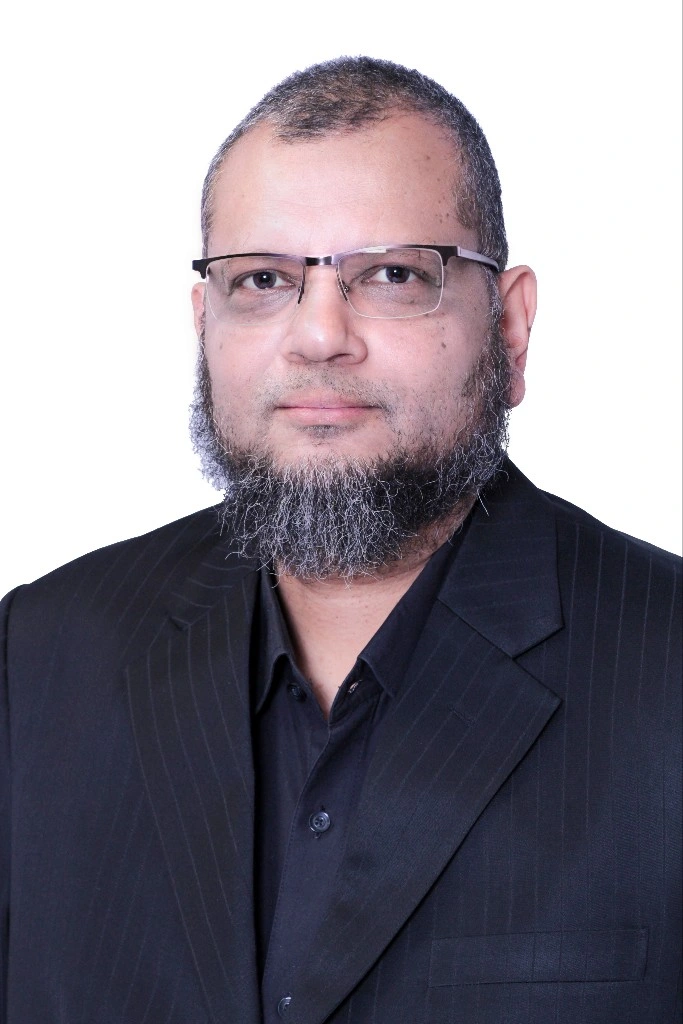
Ahmed Mahomed Seedat is a respected business advisor, turnaround specialist, and Director of Vector Consulting, known for his expertise in family business leadership, succession planning, governance, and long-term business sustainability.
With decades of experience across manufacturing, textiles, FMCG, and business recovery, Ahmed has built a strong reputation for helping organizations navigate complex challenges, strengthen leadership structures, and protect long-term family and business legacy. His practical leadership philosophy was shaped through real business environments during South Africa’s period of economic transition, where he witnessed successful companies fail due to weak internal structures and unresolved leadership issues.
Through Vector Consulting, Ahmed works closely with family-owned businesses, industrial groups, and growth-stage enterprises to improve accountability, operational stability, and succession readiness. In recent years, he has also focused on how AI and emerging technologies are reshaping governance, leadership, and decision-making in modern businesses.
Having overcome significant personal and health challenges, including remission from non-Hodgkin’s lymphoma, Ahmed approaches leadership with resilience, emotional intelligence, and purpose. Today, he continues to position himself as a leading voice in governance transformation and responsible business leadership, committed to helping businesses survive and grow across generations.
Inception Story
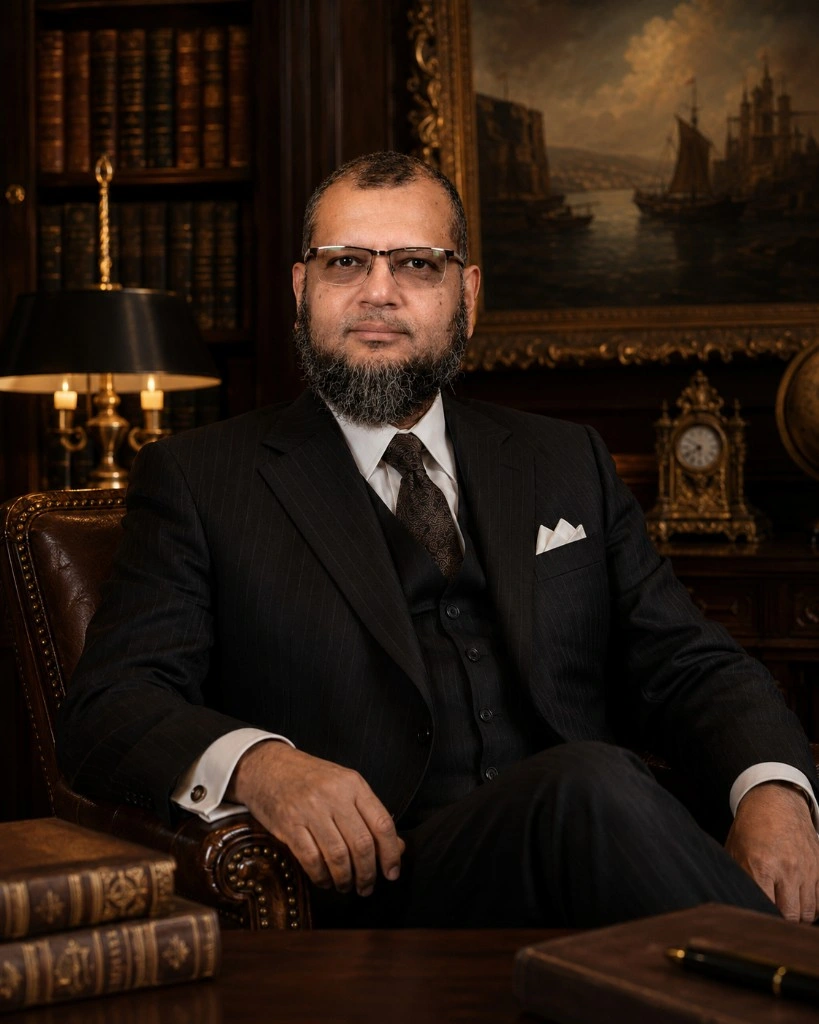
Ahmed Mahomed Seedat began his business journey in South Africa during a period of significant economic and industrial transition, entering the commercial world in the mid-1980s. It was a time when businesses were navigating increasing market pressure, economic uncertainty, and structural transformation across multiple industries.
His early exposure to business was rooted in the realities of family-owned enterprises, entrepreneurial survival, operational discipline, and the day-to-day pressures of sustaining businesses in highly competitive environments. Rather than learning business solely through theory or academic frameworks, Ahmed developed practical experience from the ground up by working closely within factory floors and day-to-day business operations.
Over the years, he built extensive expertise across manufacturing, textiles, FMCG, operational restructuring, leadership structures, succession challenges, and business recovery. Much of his career was shaped through hands-on leadership within industries facing severe pressure, particularly within South Africa’s textile, retail, and manufacturing sectors.
Ahmed spent approximately two decades in executive leadership roles within the home textile and furniture manufacturing industry, where he gained deep operational, financial, and strategic experience. During this time, he became recognized for his ability to stabilize distressed businesses, improve operational performance, rebuild governance structures, and restore stakeholder confidence in challenging business environments.
His work in business recovery and restructuring exposed him to the deeper realities behind many family-owned enterprises. Beyond financial pressures, he witnessed how unresolved governance failures, succession disputes, emotional dynamics, entitlement culture, and weak leadership structures could destabilize businesses that had taken generations to build.
These experiences ultimately became the foundation for establishing Vector Consulting, a firm focused on governance, strategic restructuring, operational transformation, succession planning, and long-term business sustainability.
Ahmed’s professional philosophy evolved from a simple but powerful realization: Over the years, Ahmed watched profitable businesses collapse, not because the market disappeared, but because leadership issues, weak governance, and unresolved succession problems were ignored for too long Ahmed spent years helping businesses survive difficult transitions, often stepping into environments where leadership trust had already broken down. He observed that even strong companies with quality products and market presence could collapse due to governance failures, lack of accountability, leadership breakdowns, and the absence of strategic discipline.
This understanding shaped his long-term mission, helping organizations protect businesses, preserve family wealth, and help companies stay stable during difficult periods and create sustainable legacies for future generations.
Today, Ahmed Mahomed Seedat is widely regarded as a subject matter specialist in family business leadership, succession planning, business recovery, and long-term company growth combining decades of practical experience with a leadership philosophy grounded in resilience, accountability, and long-term stewardship.
Could you highlight the key offerings?
At Vector Consulting, our work is centered on helping businesses strengthen governance, improve operational performance, preserve generational wealth, and navigate complex periods of transition with clarity and strategic discipline.
Our approach is highly practical and experience-driven. We work closely with business owners, boards, executives, and family enterprises to solve structural challenges that often sit beneath the surface of financial or operational problems.
One of our core focus areas is family business governance and succession planning. Many family-owned businesses struggle not because of poor products or weak markets, but because governance structures fail to evolve as the business grows across generations. We help families establish clearer accountability process, define leadership accountability, manage succession transitions, and reduce the risks that often emerge from unresolved family dynamics and informal decision-making structures.
Another major offering is business turnaround and operational restructuring. We support organizations experiencing operational instability, declining performance, cash flow pressure, or structural inefficiencies. This includes helping businesses improve operational systems, strengthen leadership alignment, optimize performance, and restore long-term sustainability. Our work focuses not only on short-term recovery, but on building resilient foundations for future growth.
We also specialize in business advisory and leadership risk management. As businesses operate within increasingly complex economic, regulatory, and technological environments, governance can no longer be treated as a compliance exercise alone. We help organizations strengthen decision-making structures, improve oversight, manage enterprise risk, and institutionalize governance systems that support long-term accountability and stability.
Another important part of our work is helping leadership teams regain clarity and direction during periods of uncertainty. Many businesses today are moving through rapid change, and leaders are often under pressure to make difficult decisions quickly while keeping teams aligned and focused. Another important part of our work is helping leadership teams regain clarity and direction during periods of uncertainty. Businesses today are moving through constant change, and leaders are often under pressure to make difficult decisions while keeping teams aligned and focused., from market disruption and digital transformation to shifting workforce expectations and global uncertainty. We work with leadership teams to improve help leadership teams stay focused, aligned, and adaptable during change while maintaining strong governance principles.
In recent years, our work has also expanded into how businesses will need to lead in the future including in recent years, we’ve also spent more time exploring how AI, data, and faster decision-making systems will reshape the future of leadership and business accountability. Through what I refer to as “The Seedat Doctrine,” we are exploring how traditional governance principles can evolve to meet the realities of modern business environments shaped by technology, data, and accelerated change.
Ultimately, our mission at Vector Consulting is not simply to solve business problems. It is to help organizations create structures that endure, protect legacy, strengthen resilience, and position businesses for sustainable success across generations.
Profits Progeny Politics: A Guide to Successful Family Business
Ahmed Seedat’s book, Profits, Progeny, Politics: A Guide to Successful Family Business, offers a practical and insightful exploration into the complex realities of family-run enterprises. Written in an engaging and easy-to-understand style, the book examines both the strengths and challenges that define family businesses, particularly within the South African business landscape. Seedat highlights how strong family values and founder-driven vision can create resilient enterprises capable of thriving despite intense competition and systemic barriers.
At the same time, he candidly addresses the internal dynamics that often hinder long-term growth, including entitlement, emotional influence in decision-making, lack of performance accountability, resistance to innovation, and what he describes as the “inbreeding of thought.” Through balanced analysis, the book provides valuable guidance on navigating the delicate intersection of profits, family legacy, and organizational politics—making it an essential read for current and future family business leaders seeking sustainable success across generations.
What are your long-term goals, and where do you envision yourself in the coming years?
My long-term vision is centred on building sustainable governance systems that help businesses survive, evolve, and create value across generations rather than simply focusing on short-term commercial success.
Over the years, I have seen too many businesses collapse not because they lacked opportunity, but because they failed to adapt structurally. Weak governance, unresolved succession issues, leadership misalignment, poor operational discipline, and the inability to prepare for change continue to destroy businesses that once had enormous potential. My goal is to help organizations avoid those outcomes by creating stronger foundations that can withstand both internal and external pressures.
In the coming years, I see myself continuing to expand the work of Vector Consulting across governance transformation, family enterprise sustainability, operational restructuring, and strategic advisory. I want the organization to become a recognized authority in helping businesses navigate complexity while preserving legacy, accountability, and long-term resilience.
A major focus for me is advancing governance thinking into the future. Business environments are changing rapidly due to artificial intelligence, digital transformation, predictive technologies, geopolitical uncertainty, and shifting economic systems. Traditional governance models alone are no longer enough. I believe the future will require more adaptive, intelligent, and forward-looking governance structures capable of responding to accelerated disruption while maintaining ethical leadership and long-term business stability.
This is one of the reasons I continue developing what I refer to as “The Seedat Doctrine,” a governance philosophy that combines operational discipline, strategic oversight, predictive intelligence, succession continuity, and AI-enabled decision-making structure. My intention is to contribute toward a more modern governance model that remains practical, human-centred, and sustainable in an increasingly complex world.
I am also passionate about mentoring the next generation of leaders, particularly within family businesses and entrepreneurial environments. Leadership succession remains one of the greatest risks facing many enterprises today. I want to help emerging leaders understand that stewardship is not simply about inheriting businesses, but about preserving values, building institutional strength, and creating sustainable impact for future generations.
On a personal level, I envision dedicating more time to thought leadership, writing, executive mentoring, and contributing to conversations around governance, resilience, leadership psychology, and business sustainability at both regional and international levels.
Ultimately, my vision is not only to build successful businesses, but to help build enduring institutions, organizations capable of surviving uncertainty, protecting legacy, and continuing to create meaningful economic and societal value long after individual leaders are gone.
Who has been the most significant source of inspiration in your life?
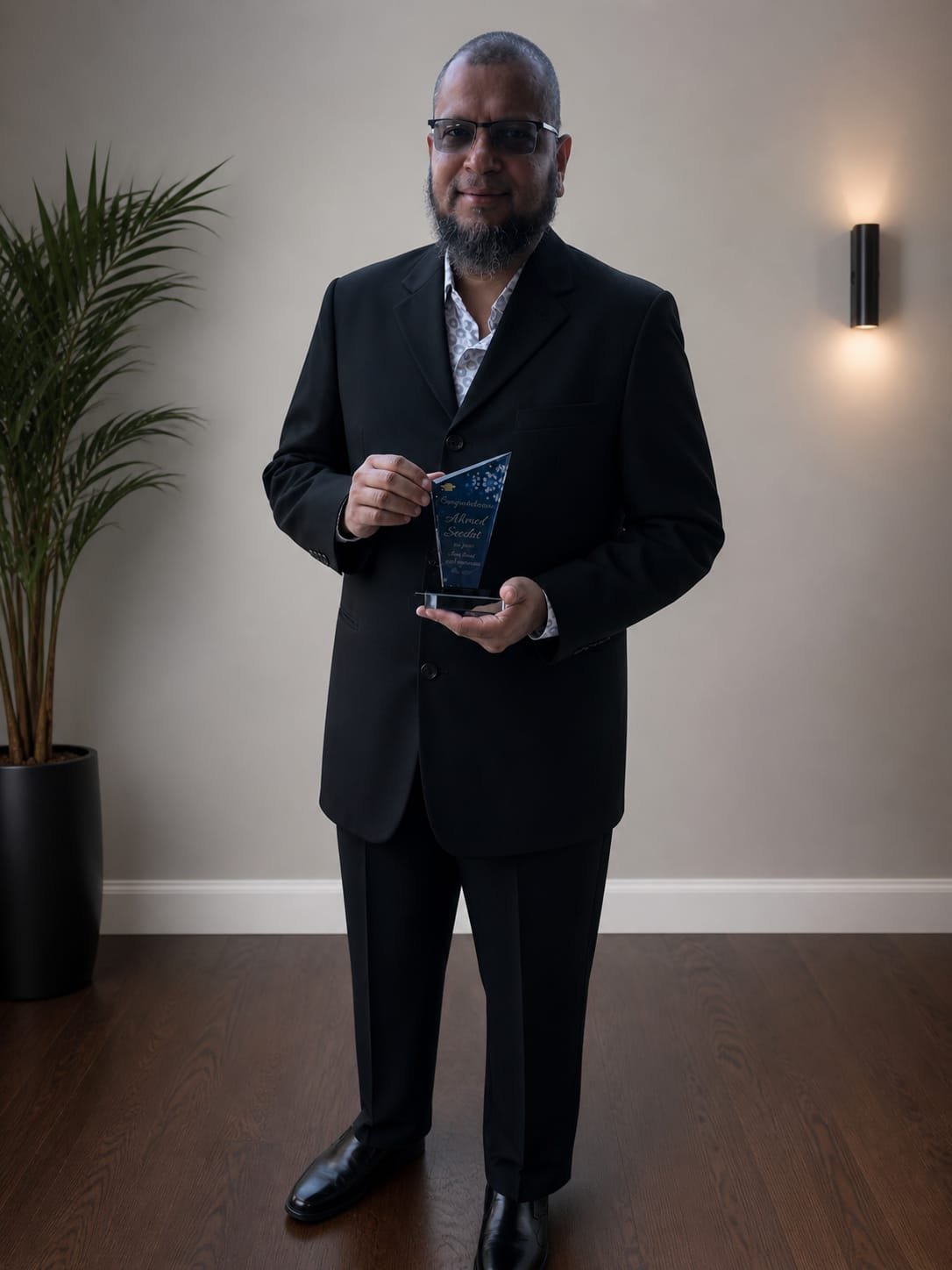
My greatest source of inspiration has come from a combination of faith, personal adversity, family values, and the people I have encountered throughout both my business and personal journey.
I have always believed that true leadership is shaped far more by life experience than by titles or positions. Some of the most defining lessons in my life did not come during periods of success, but during moments of hardship, uncertainty, loss, and rebuilding.
My family played a major role in shaping my values from an early age. Growing up within a business-oriented environment taught me the importance of discipline, accountability, perseverance, and responsibility. I learned that business is not simply about profit, it is about stewardship, protecting livelihoods, preserving legacy, and creating stability for future generations.
At the same time, my faith has remained one of the strongest foundations in my life. It has guided me through both professional and personal challenges, helping me maintain perspective during periods of uncertainty and reminding me that resilience, humility, and integrity are essential components of leadership.
Some of the most profound inspiration in my life has also emerged through adversity. Losing two sons was one of the most devastating experiences imaginable, and surviving non-Hodgkin’s lymphoma further changed the way I view leadership, time, purpose, and human resilience. Those experiences forced me to reflect deeply on what truly matters, not only in business, but in life itself.
They taught me that success without meaning is ultimately empty. They also reinforced my belief that leadership is not measured solely by financial achievement, but by the impact we leave behind, the people we uplift, and the values we preserve during difficult moments.
Professionally, I have also been inspired by entrepreneurs, industrialists, and business leaders who built sustainable enterprises through discipline, vision, and long-term thinking rather than short-term gain. I have always admired leaders who combine commercial strength with ethical responsibility and operational excellence.
In many ways, my inspiration also comes from observing businesses and families that successfully navigate generational transition while preserving unity, values, and institutional continuity. That balance is far more difficult than most people realize, and it continues to influence much of my governance philosophy today.
Ultimately, the greatest lesson life has taught me is that resilience is not built during comfortable seasons. It is built during moments when you are forced to rebuild, adapt, and continue moving forward despite uncertainty. Those experiences have shaped both the person I am and the leadership approach I bring to every organization I work with.
Please list some of the notable recognitions and accreditations that you and your organization have received.
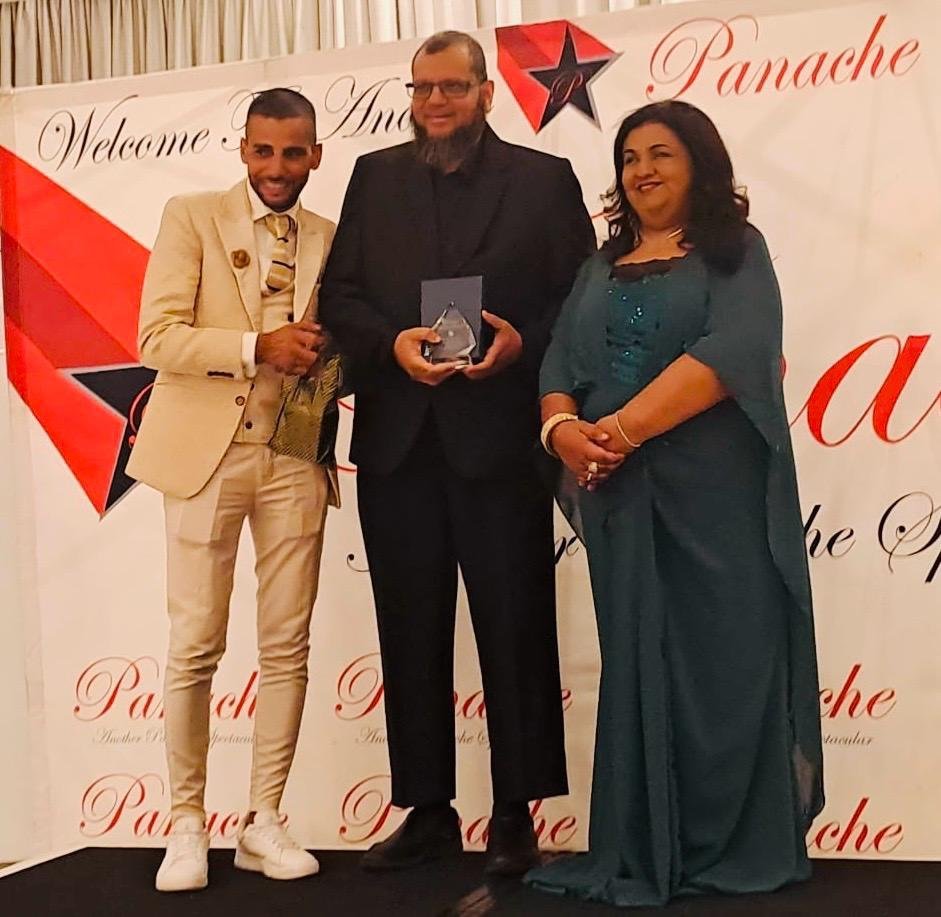
Over the years, my work and the work of Vector Consulting have been recognized through long-standing relationships, successful business recoveries, governance transformation outcomes, and the trust placed in us by organizations navigating complex operational and leadership challenges.
Much of my professional recognition has come through practical impact rather than public visibility. Throughout my career, I have worked extensively within manufacturing, textiles, FMCG, restructuring, and family business environments, helping organizations stabilize operations, strengthen governance systems, improve accountability, and navigate periods of transition and recovery.
I have also been recognized for my expertise in family business governance, succession planning, operational turnaround strategy, and institutional restructuring. Over time, this positioned me as a trusted advisor to business owners, boards, executives, and multi-generational enterprises seeking long-term sustainability rather than short-term corrective measures.
One of the areas that has gained increasing recognition is my work around governance modernization and future-focused enterprise systems. Through my evolving governance philosophy, “The Seedat Doctrine,” I continue to contribute toward conversations surrounding adaptive governance, predictive risk systems, operational resilience, and AI-integrated oversight models designed for rapidly changing business environments.
At Vector Consulting, our reputation has largely been built on discretion, strategic clarity, and measurable outcomes. Many of the organizations we support come to us during periods of uncertainty, whether involving succession challenges, governance breakdowns, operational decline, or organizational restructuring. Being trusted during those moments is, in many ways, one of the most meaningful forms of recognition.
Beyond commercial outcomes, I also value the recognition that comes from seeing businesses survive across generations, preserving employment, protecting family legacy, and restoring organizational stability where uncertainty once existed. Those results often carry far greater significance than formal accolades alone.
Personally, some of the most meaningful recognition has come from the confidence clients continue to place in my guidance over many years. Long-term relationships, repeat engagements, and referrals from business leaders and family enterprises reflect a level of trust that cannot be manufactured through branding alone. It is earned through consistency, integrity, experience, and results.
Ultimately, while awards and accreditations are appreciated, I believe the true measure of leadership is not recognition itself, but the lasting value created through resilience, stewardship, ethical leadership, and sustainable institutional impact.
What were the most challenging obstacles you’ve encountered in your career?
One of the greatest challenges throughout my career has been navigating environments where businesses were already under significant operational, financial, or structural pressure before meaningful intervention began.
In many cases, by the time organizations seek external support, the visible problems are only symptoms of much deeper issues. Behind financial instability, there are often unresolved governance failures, leadership conflict, succession uncertainty, weak accountability structures, operational inefficiencies, or emotional dynamics within family-owned enterprises. Addressing those realities requires far more than technical expertise. It demands difficult conversations, clear decision-making, emotional awareness, and the patience needed to rebuild trust during periods of uncertainty.
Working extensively within family businesses brought another layer of complexity. Family enterprises are not driven by numbers alone. They involve legacy, relationships, emotion, identity, and generational expectations. One of the most difficult challenges is helping families separate emotional decision-making from sustainable governance while still preserving unity, dignity, and long-term continuity. In many situations, businesses fail structurally long before they fail financially, and reversing that trajectory requires significant cultural and leadership transformation.
The South African business environment itself also presented considerable challenges over the years. Economic volatility, industrial decline within manufacturing and textiles, changing market conditions, operational disruptions, and broader structural pressures forced many businesses into survival mode. Leading through those conditions required resilience, adaptability, and the ability to make difficult decisions while maintaining strategic focus.
On a personal level, some of the most profound challenges I faced came outside the boardroom. Losing two sons fundamentally changed my perspective on leadership, success, and life itself. Surviving non-Hodgkin’s lymphoma further deepened that reflection. Those experiences tested me emotionally, mentally, physically, and spiritually in ways no professional challenge ever could.
At the time, balancing personal grief while continuing to lead, advise organizations, and remain responsible for others was incredibly difficult. But those experiences also reshaped my understanding of resilience. They taught me that leadership is not about projecting perfection or control. It is about maintaining clarity, purpose, and humanity even during the most difficult periods of life.
Another challenge has been advocating for governance and long-term thinking within environments often driven by short-term pressure and immediate financial outcomes. Building sustainable institutions requires patience, discipline, and the willingness to make decisions that may not always deliver instant results but create long-term stability and continuity.
Over time, I came to understand that obstacles are not interruptions to leadership. They are part of the process that shapes it. Many of the challenges I encountered ultimately strengthened my conviction, sharpened my perspective, and reinforced my commitment to helping businesses build structures capable of surviving uncertainty and preserving value across generations.
Today, I approach leadership with a far deeper understanding that resilience is not simply about endurance. It is about adaptation, stewardship, emotional strength, and the ability to continue creating stability and direction even in the face of adversity.