
Edition – World’s Most Impactful Business Leaders Making Waves In 2026
In an era where leadership demands global vision, stewardship, and operational excellence, few professionals embody these qualities as effectively as Dr. T. Morris Fowler. A distinguished Leadership Architect, CEO, U.S. Air Force veteran, author, speaker, and global strategist, Dr. Fowler has built a career defined by service, systems thinking, organizational transformation, and international impact.
Recognized as a 21st Century Renaissance Man, Dr. Fowler combines technical expertise, military discipline, strategic systems thinking, and servant leadership. Shaped by multidisciplinary experiences across diverse global environments, this unique blend of expertise has enabled him to navigate complexity with agility, lead diverse teams, and drive meaningful transformation across both the public and private sectors.
Drawing on decades of experience in military operations, technology, manufacturing, organizational transformation, and professional development, Dr. Fowler approaches leadership as a systems discipline—one that requires alignment among people, purpose, and performance.
His leadership journey began in retail management at an early age and was further refined during his service in the United States Air Force, where he served as a Mobility Team Leader in high-stakes operational environments. Those experiences shaped his leadership philosophy, instilling a deep appreciation for adaptability, cultural intelligence, precision, and accountability. They also laid the foundation for a career spanning multiple countries, industries, and leadership disciplines.
Over the years, Dr. Fowler has led initiatives focused on leadership development, operational excellence, organizational effectiveness, and innovation across both emerging and developed markets. Whether guiding multinational organizations through transformation, helping cross-cultural teams achieve strategic objectives, or advising leaders on bridging vision with execution, he consistently operates at the intersection of global thinking and local action.
Today, through his work with multinational organizations, international institutions, and executive leadership teams, Dr. T. Morris Fowler continues to develop leaders and design leadership systems that enable organizations to navigate complexity, embrace innovation, and create sustainable impact. His work is grounded in stewardship, ethical leadership, and a commitment to helping organizations thrive in an increasingly interconnected and AI-driven world.
Please Share the Beginning of Your Career Journey With Us.
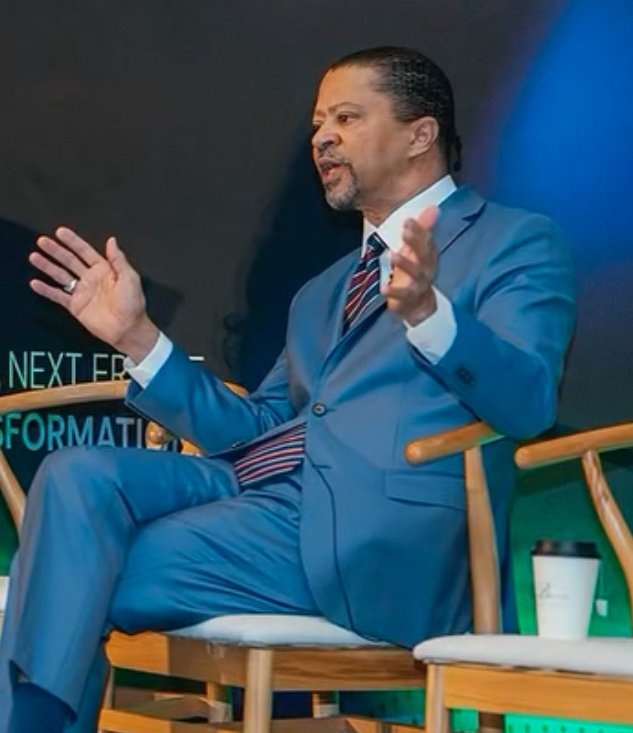
My career began at the age of 17 in retail management with the Melville Corporation during the 1970s. The retail floor became my first laboratory for leadership, where I quickly discovered that every successful organization is built on three non-negotiable foundations: emotional intelligence, teamwork, and accountability. Managing people while driving sales taught me lessons that would shape my understanding of business and leadership for the rest of my career.
Soon afterward, I joined the United States Air Force in the 1980s. My official title was Administrative Management Specialist. Coming from a business background, I initially assumed it was similar to business administration—wrong! While my formal responsibility was safeguarding all base publications and classified documents, my real work took place as a Mobility Team Leader within the Department of Defense Combat Readiness Program.
That experience taught me the difference between management and leadership. Military service instilled lessons that no business school can teach: discipline, precision, attention to detail, and the ability to make decisions under extreme pressure and uncertainty. When lives depend on execution, leadership is no longer about comfort or consensus—it becomes about clarity, accountability, and unwavering focus.
Following my honorable discharge, I emerged with a profoundly different understanding of what true leadership requires. Around the same time, I became a computer programmer during the launch of the IBM PC/XT, powered by MS-DOS. It was a revolutionary period in early computing, and those technical skills were in high demand. That expertise opened the door to opportunities in corporate America and the Maquiladora Industry, where my international business career truly began.
One experience from that period remains unforgettable. In 1987, I walked into Irvin Industries, a seatbelt manufacturer, for a job interview. The plant manager pointed to an IBM PC/XT and asked, “Hey kid, do you know what to do with this thing?”
I smiled, sat down at the keyboard, and within moments brought the computer to life. I was hired on the spot—without filling out an application. I was immediately shown my desk and asked to begin work. That moment marked my entry into global manufacturing.
By the late 1980s, I was working in Manufacturing Engineering, supporting programs for automotive leaders including Ford, Mazda, and Subaru. My responsibilities included designing visual aids, automotive wire harness blueprints, connector blocks, connectors, and engineering drawings using CADD software. One day, the Vice President of Manufacturing placed a new software package on my desk, simply said, “Learn it,” and walked away. That brief interaction perfectly reflected the pace of innovation at the time. I was later entrusted with implementing CADD systems across operations in both Texas and Mexico.
My greatest professional transformation came during the 1990s as globalization reshaped the business world. Organizations became leaner, authority shifted from corporate headquarters to business units, and outsourcing and offshoring transformed international operations. As global markets evolved, companies recognized that organizational culture, leadership, and high-performing teams were no longer optional—they had become strategic competitive advantages.
During this period, I was invited to join the corporate transformation team as a Facilitator and Trainer, serving in what would now be called the role of a Change Agent. Working as an internal consultant, I helped implement company-wide organizational transformation initiatives, leadership development programs, team structures, and training frameworks designed to prepare organizations for a rapidly changing global marketplace.
It was during this work that I discovered my true calling.
Coming from a technology background, I had long understood that computers are programmable. Over time, I realized that people can also transform through learning, personal development, and new ways of thinking. I came to view human beings as integrated individuals—body, mind, and spirit—and became deeply committed to helping people shift the paradigms that limit growth and performance. The organization invested heavily in our development through books, seminars, workshops, and advanced training in behavioral sciences, psychology, pedagogy, human behavior, and organizational development. Those experiences profoundly shaped my philosophy of leadership.
The work was demanding and often challenging, but it produced remarkable results. Together, my colleagues and I helped transform the Alcoa Inc. and Fujikura Ltd. business unit into a world-class organization. For me, that achievement represented far more than operational excellence—it marked the beginning of my life’s work: helping leaders, teams, and organizations evolve.
My career continued to expand through the implementation of internationally recognized quality and environmental management systems. I led teams preparing manufacturing facilities for ISO 9001 certification, successfully achieving third-party certification during the initial assessment. I later expanded this work internationally through ISO 14001 Environmental Management Systems, where I managed an award-winning wastewater treatment facility in Mexico, integrating operational excellence with environmental stewardship.
I also managed the organization’s prestigious Ford Q1 Quality Rating, a critical benchmark for maintaining supplier status with Ford Motor Company. Remaining true to my roots in computer programming, I developed the organization’s computer training program, preparing both users and technicians for the successful implementation of new technologies.
During the 1990s, Alcoa Inc. published an article titled Computer Training Comes to Mexico. I was initially excited—until I realized that neither my name nor my photograph appeared in the publication. The article documented a historic initiative. I recognized the students I had trained and the classroom where I had taught, yet I was nowhere to be seen.
That was the day I quietly quit.
There is an important leadership lesson in that experience, which is why I continue to share it today.
I did not resign from the company. Instead, I redirected my energy, expertise, and passion toward building something of my own. I founded my consulting firm and began working with maquiladoras and businesses throughout the region. That decision marked my transition from developing leaders within a single organization to advising executives, entrepreneurs, corporations, and business leaders across multiple industries and countries.
The saying that everything happens for a reason has certainly proven true in my life. What initially appeared to be a disappointment ultimately became the catalyst for expanding my mission and shaping the journey that followed.
Looking back, the pattern is unmistakable. Retail taught me about people. The military taught me service, discipline, and sacrifice. Technology taught me systems thinking. Manufacturing taught me the complexity of global business. Professional development taught me the power of paradigm shifts, while organizational transformation taught me that sustainable success begins by transforming how people think.
Together, these experiences shaped my lifelong mission: developing leaders who can navigate complexity, inspire meaningful change, and help organizations—and the people within them—achieve their highest potential.
Could You Highlight the Key Offerings?
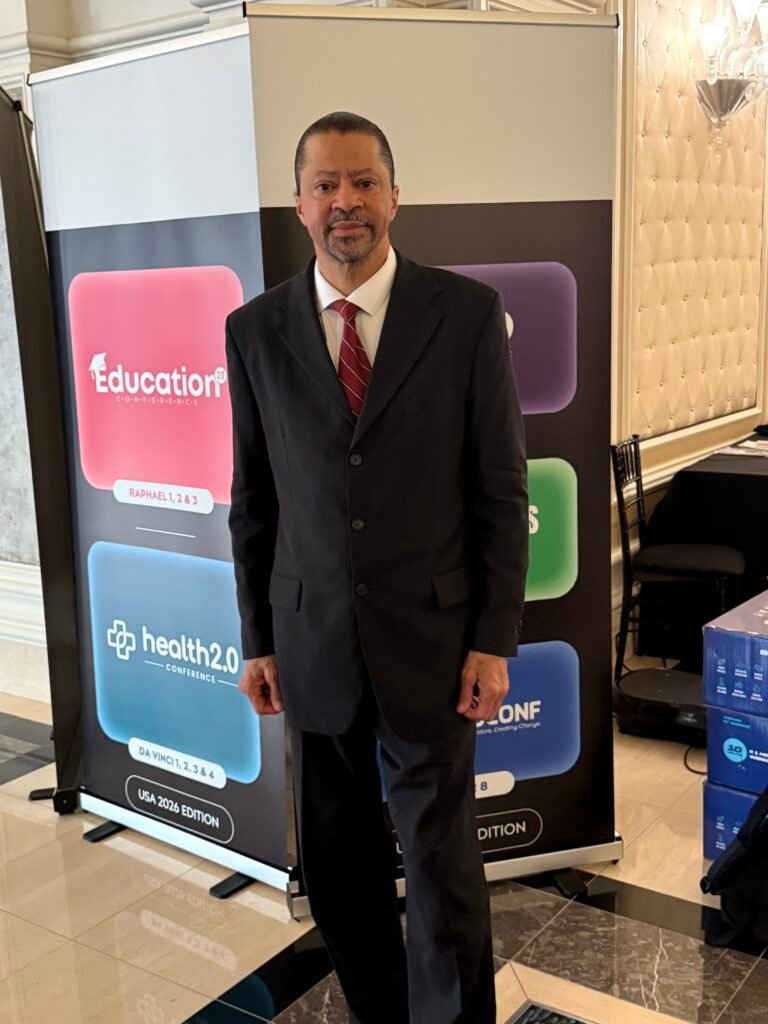
As a Leadership Architect, my work integrates leadership, organizational transformation, systems thinking, technology, human development, and stewardship into a unified philosophy designed to meet the realities of the 21st century.
At the heart of my work is one fundamental challenge: helping leaders and organizations successfully navigate the paradigm shifts that are no longer optional—they are essential. The rapid pace of technological advancement, cultural change, organizational complexity, and global uncertainty demands a new approach to leadership—one grounded in adaptability, wisdom, ethics, and the ability to develop people.
As the author of 25 books, including the acclaimed 21st Century Power Series, I have dedicated my career to understanding how leaders think, make decisions, influence others, and create sustainable results. My work is delivered through executive advisory services, keynote speaking, leadership development programs, and organizational transformation consulting.
My approach is built upon five interconnected leadership frameworks designed to strengthen leaders and organizations at every level.
The Paradigm Shift Program examines how personal paradigms shape leadership effectiveness, decision-making, and life outcomes. Many leaders operate from inherited assumptions and mental models they have never questioned. Sustainable transformation begins when leaders challenge those assumptions and develop a stronger mental architecture capable of producing better decisions and more meaningful outcomes.
21st Century Power and Influence prepares leaders to navigate influence and decision-making in today’s hyper-connected, AI-driven world, where traditional authority and legacy leadership models are rapidly becoming obsolete. The leadership mindset has shifted dramatically—from the 20th-century belief that “You are lucky to have a job” to the 21st-century reality that “The organization is fortunate to have you.” Modern leadership is no longer about control; it is about collaborative influence, trust, and a shared sense of purpose.
The Ascended Leadership Model introduces a Source-guided decision-making framework that integrates insight, discernment, alignment, and wisdom. While information and data provide valuable knowledge, exceptional leadership requires the judgment to determine the right course of action. History has repeatedly shown that the most consequential decisions are rarely driven by data alone—they require perspective, courage, and wisdom.
The Fire Keeper is perhaps my most philosophically grounded work. It explores the origins of authentic leadership, tracing them back to ethics, stewardship, and responsibility rather than control or self-interest. Its central message is clear: when leaders lose their ethical foundation, they do not simply fail personally—they can destabilize entire organizations, institutions, and even nations.
Another important framework is The Eve Factor, which explores feminine leadership and its distinctive influence on organizational culture and decision-making. Women often lead differently than men, bringing strengths in collaboration, intuition, emotional intelligence, and relationship building. Much like the queen on a chessboard, they frequently accomplish more with fewer moves, demonstrating that influence is measured not by force, but by effectiveness.
What distinguishes my approach is the integration of character, competence, and execution. Many leadership models treat these elements as separate disciplines. I believe sustainable leadership requires all three working together: the character to lead with integrity, the competence to navigate complexity, and the execution capability to transform vision into measurable results.
Through my Leadership Development Programs, I help organizations build leadership capability from emerging professionals to executive teams, emphasizing lasting behavioral transformation rather than one-time training events.
Through Executive Advisory Services, I partner with executives, leadership teams, and boards to navigate organizational transformation, strategic decision-making, culture, and complex operational challenges.
As an international Keynote Speaker, I challenge audiences to rethink leadership, embrace change, and build organizations founded on trust, resilience, stewardship, and purpose.
Through Organizational Transformation Consulting, I help organizations develop leadership systems that improve alignment, accelerate decision-making, strengthen performance, and create long-term organizational sustainability.
Ultimately, the greatest measure of my work is not creating dependency—it is creating capability. My objective is to help organizations develop the internal leadership capacity to continue growing, adapting, and succeeding long after my engagement has concluded.
My mission is simple: to help leaders navigate complexity with clarity, resilience, integrity, and purpose while building organizations where people and performance thrive together.
What Are Your Long-Term Goals, and Where Do You Envision Yourself in the Coming Years?
My long-term vision is to influence global leadership and governance by embedding ethics-based, systems-driven leadership frameworks into organizations and institutions worldwide. My ultimate goal is simple: to help make integrated leadership the standard rather than the exception.
The challenge I seek to address is both significant and measurable. Too many organizations and institutions continue to experience recurring cycles of failure because they rely on leadership models built around short-term authority, fragmented decision-making, and the misconception that ethics and performance are separate disciplines. I believe sustainable success requires a different approach—one in which character, competence, execution, and stewardship are integrated into a unified leadership system.
Through frameworks such as the Ascended Leadership Model for Source-guided leaders, my work helps executives integrate ethics, discernment, emotional intelligence, and systems thinking into both decision-making and organizational execution. This is not merely a philosophical approach—it is a practical leadership advantage that enables organizations to become more resilient, innovative, adaptable, and sustainable.
My book, The Fire Keeper, explores this philosophy through a historical lens, tracing leadership back to humanity’s earliest leadership responsibility—the stewardship of fire. That role represented service, responsibility, and the protection of the collective rather than the pursuit of personal power or control. Its message remains timeless: when leadership loses its ethical foundation, organizations, institutions, and societies become vulnerable to instability, decline, and repeated cycles of disruption.
Looking ahead, my focus extends beyond expanding leadership frameworks to building platforms that allow these ideas to reach a broader global audience. As the CEO of Fowler Media Group, I am developing a global media production company dedicated to creating and distributing intellectual property across leadership, education, and the creative industries.
Fowler Media Group serves two complementary purposes. First, it provides the creative infrastructure to expand my leadership brand through books, publications, educational programs, video, film, and digital media. Second, it operates as an independent media enterprise that develops original publications, music, films, documentaries, and creative projects for select global markets.
My long-term vision for Fowler Media Group is to establish it as a recognized multi-platform content enterprise where leadership, storytelling, technology, education, and creativity converge. Through strategic partnerships, original productions, and innovative media formats, the company will create content that educates, inspires, and connects audiences across cultures and generations.
I believe ideas create their greatest impact when they move beyond a single delivery method. A leadership framework can be introduced through a keynote presentation, explored in greater depth through a book, brought to life through film or video, and reinforced through educational media. The future of influence belongs to organizations that understand how knowledge, creativity, and technology can work together to create meaningful global impact.
My strategic priorities are centered on four key initiatives. First, I plan to expand the adoption of my leadership frameworks across organizations, leadership academies, universities, and institutional training programs around the world. Second, I will continue broadening the global reach of my intellectual property through the distribution of my published works, educational resources, and multimedia content, recognizing that scalable knowledge creates lasting influence.
Third, I intend to establish a Certified Practitioner Network that equips qualified leaders, coaches, consultants, and educators to deliver these frameworks globally while preserving their integrity and consistency. Finally, I am committed to developing measurable performance indicators that demonstrate how ethics-based, systems-driven leadership improves organizational outcomes, including stronger talent retention, faster decision-making, greater innovation, enhanced organizational resilience, and long-term sustainability.
Ultimately, my vision is to help build a global leadership ecosystem where stewardship, ethics, accountability, and high performance are integrated into everyday leadership practices—from individual organizations to multinational corporations, educational institutions, and systems of governance. In an increasingly interconnected and AI-driven world, the future belongs to leaders who understand that ethics and performance are not competing priorities; they are inseparable foundations of sustainable 21st-century success and beyond.
My mission is to continue creating the frameworks, organizations, and media platforms that empower leaders to navigate complexity with clarity, resilience, integrity, and purpose while building an enduring body of work that creates meaningful value for organizations, communities, and future generations.
Who Has Been the Most Significant Source of Inspiration in Your Life?
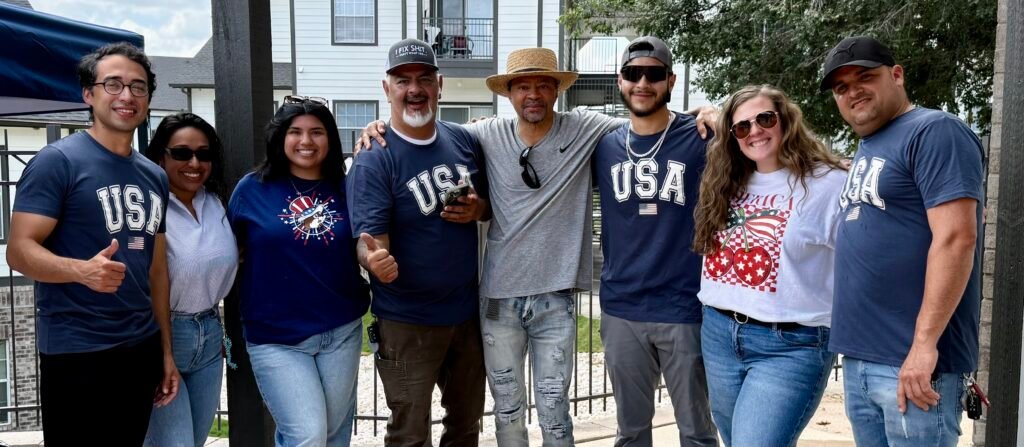
My inspiration has never come from a single individual. Instead, it has been shaped by principle-centered influences across spiritual, intellectual, personal, military, professional, and institutional domains. Collectively, these experiences have reinforced my belief that the most effective leaders are those who integrate diverse perspectives rather than rely on a single area of expertise.
Spiritually, my faith in something greater than myself—whether one calls it God, Universal Intelligence, or the Architect of the Universe—has been the cornerstone of my leadership philosophy. It has taught me that authentic leadership is Source-guided rather than ego-driven, a distinction that profoundly shapes how leaders make decisions, serve others, and fulfill their responsibilities.
On a personal level, my mother, Gwendolyn, instilled in me the values of discipline, education, and excellence. Her unwavering belief in my potential helped shape my identity and inspired a lifelong commitment to continuous learning and personal growth. My high school history teacher, Mr. Hanson, a World War II veteran, further influenced my appreciation for service, discipline, and historical awareness. He taught me that leaders who fail to understand history are often destined to repeat its mistakes—a lesson that continues to guide my leadership philosophy today.
Intellectually, my journey began at an early age. At just ten years old, reading the works of Confucius introduced me to the importance of ethics, responsibility, human relationships, and the role of character in society. Several years later, at the age of fifteen, I discovered Dr. Eric Berne’s groundbreaking work on Transactional Analysis, particularly his book Games People Play. His insights revealed that human behavior is not random but follows recognizable patterns that can be understood, influenced, and transformed. Those discoveries became foundational to my work in leadership development and organizational transformation.
My service in the United States Air Force was equally transformative. Leaders such as SSGT Randall, SSGT Coleman, SMSGT Botello, and Major Acosta demonstrated operational excellence through discipline, precision, accountability, and respect for people. They showed me that exceptional leadership combines high standards with genuine humanity.
Following my military service, I was mentored for twelve years by Bishop Dr. Lonnie L. Green—a U.S. Air Force combat veteran, martial artist, Doctor of Clinical Psychology, and Doctor of Education. He embodied what I now describe as integrated leadership: the seamless combination of intellect, spirituality, discipline, and service. His mentorship reinforced my conviction that the strongest leaders cultivate both character and capability.
Professionally, Dr. Stephen R. Covey profoundly influenced my thinking through his landmark book, The 7 Habits of Highly Effective People. My colleagues and I were challenged to study the book and identify principles that could strengthen team development and organizational transformation. One word, in particular, stood out to me—paradigm. It became the focal point of my research and ultimately evolved into my area of expertise. To this day, I remain guided by Dr. Covey’s timeless principle: “Seek first to understand, then to be understood.” My own book, The 7 Habits of Highly Effective 21st Century Leaders, is both dedicated to and inspired by his enduring legacy.
Throughout my career, I have had the privilege of working alongside exceptional leaders, systems thinkers, and professionals across numerous organizations and industries. These diverse experiences deepened my appreciation for agility, systems thinking, structured problem-solving, and disciplined execution in an increasingly interconnected and complex global environment.
Today, my children and grandchildren continue to inspire me every day. Watching them grow, adapt, and navigate an ever-changing world reinforces why my work matters. My mission is to help develop leaders who are equipped to guide others through uncertainty with wisdom, resilience, and integrity. For me, leadership is not simply a profession—it is a responsibility and a legacy of stewardship.
Looking across all of these influences, one consistent principle emerges: the most impactful leaders integrate discipline with compassion, intellect with wisdom, tradition with innovation, and ethics with performance. That principle of integration represents far more than my leadership philosophy—it is the foundation of my work in leadership development, organizational transformation, and my lifelong commitment to helping individuals and organizations realize their highest potential.
Please List Some of the Notable Recognitions and Accreditations That You and Your Organization Have Received.
Over the course of more than three decades, I have been privileged to receive professional recognitions that reflect an interdisciplinary career spanning leadership development, organizational transformation, technical systems, ministry, and thought leadership. While I deeply appreciate each honor, I view them not simply as personal achievements but as milestones in a lifelong journey of service, continuous learning, and leadership.
My literary journey began in 1994 with the self-publication of my first book, Poems From the Heart. The following year, I received the International Poet of Merit Award from the International Society of Poets, recognizing excellence in communication and creative expression. Since then, I have authored 25 published books, including the acclaimed 21st Century Power Series, which explores leadership, influence, organizational dynamics, and personal transformation.
Throughout my career, I have also contributed to significant international initiatives. In 1999, I was invited to join a cross-functional team responsible for developing procedures that supported the opening of emerging global markets—some of which have since evolved into today’s BRICS and G20 partnerships. In 2001, I led the Mexico architectural and layout teams at Construction Specialties, contributing to the design of portions of the Goldman Sachs Building at Exchange Place on the Hudson River in the New York metropolitan area.
Since then, I have continued to lead executive-level, cross-functional initiatives involving multinational organizations, organizational systems design, international operations, and emerging market development. My journey has also been marked by several distinguished national and international recognitions. In 1994, I was invited to visit the presidential office of Porfirio Díaz in Durango, Mexico, where I was given the rare privilege of sitting at his presidential desk and chair.
In 2003, I received an invitation to attend a White House Brunch, along with an autographed photograph of President George W. Bush recognizing my contributions as a grassroots leader. Both the invitation and the photograph were received together prior to the event as part of that recognition.
In 2007, I was invited by ambassadors to attend a United Nations Summit during the Darfur crisis, alongside leaders of the African diaspora, under the chairmanship of the late Congressman Donald Payne Sr. More recently, in 2025, I was invited to attend an event honoring the legacy of President Jimmy Carter and was given the privilege of signing the official condolences book.
My commitment to leadership and organizational excellence has also been recognized through my induction into Marquis Who’s Who for Leadership in 2023, honoring my professional achievements and contributions to leadership development and organizational systems thinking. In 2026, I was further honored with the CXO 2.0 Leadership Excellence Award, recognizing my continued contributions to innovation, leadership, and organizational transformation.
These recognitions represent far more than individual accomplishments. Collectively, they reflect a life and career dedicated to integrating technical expertise, leadership, spiritual development, and organizational strategy to create meaningful and lasting impact. I do not take any of these honors lightly. Each opportunity prepared me for the next, reinforcing my belief that while specialization develops expertise, it is the integration of knowledge, experience, wisdom, and perspective that enables leaders to transform people, organizations, and communities.
What Were the Most Challenging Obstacles You’ve Encountered in Your Career?
Without question, the greatest challenge of my life was balancing single parenthood with an international executive career after the tragic loss of my wife and two sons by the age of 24.
Suddenly, I found myself raising my four-year-old daughter alone. The reality became painfully clear—I was faced with the challenge of finishing alone what two people had begun together. My daughter, born at a U.S. Air Force base hospital, was every bit my “military brat.” She was a little girl who loved ponytails, dresses, and all the frilly things that many little girls adore. As a military veteran and martial artist, I was very much a “man’s man.” Yet I learned to braid her hair, shop for ribbons and dresses, and do the things her mother would have lovingly done.
It was unfamiliar territory.
My greatest responsibility—and my greatest challenge—came one ordinary day when my four-year-old daughter walked into the kitchen while I was preparing dinner. In grand military fashion, she ambushed her father. Standing with one hand on her hip, she looked me straight in the eyes and asked, in a calm but unmistakably direct voice:
“Daddy! Mommy left me! Are you going to leave me too?”
In that instant, everything inside me came crashing down. I realized the depth of this little girl’s understanding. She had received a crash course in life’s unpredictability and fragility far earlier than any child should. She was not simply asking a question—she was trying to understand what her future would look like. Her unspoken message was clear: “Dad, I need to know your intentions. I need to know what you’re going to do.”
I was speechless.
All I could do was hold my little girl and promise her that I would never leave her.
That became Mission One.
By the grace of God, I kept that promise.
Today, my daughter is a devoted mother, accomplished writer, successful entrepreneur, and inspiring leader. In many ways, she reflects the values we built our lives upon together, and for that, I remain deeply grateful.
Those experiences became some of life’s greatest leadership lessons.
There was never a clear separation between personal responsibility and professional obligation. My daughter traveled with me throughout my career—through manufacturing facilities, engineering offices, and international operations. She experienced global business firsthand, walking through production plants, crossing international borders, navigating immigration checkpoints, and being exposed to diverse cultures and ways of thinking.
Managing time was a constant challenge.
Every day began with getting my daughter ready for school before heading to the office. During that same period, I also served as a Staff Minister, regularly leading church services that often extended late into the evening. I still remember carrying my sleepy little girl in my arms after those services, watching her do everything she could to keep pace with her father. The same values that guided me in the military—commitment, adaptability, discipline, and responsibility—also shaped the way I approached fatherhood. Those values eventually became the foundation of my leadership philosophy.
At the same time, my professional responsibilities continued to evolve. Throughout my career, I was repeatedly entrusted with implementing new technologies, quality systems, regulatory initiatives, and international business projects.
One constant remained—change.
Agile leadership became the defining characteristic of my professional journey. No sooner had I completed one initiative than I was assigned another. Every new project required entering unfamiliar environments, building trust with new teams, assessing complex situations, adapting quickly, and delivering measurable results. Because much of my work was international, frequent travel became a way of life. Just as I became comfortable in one location, it was time to move to the next.
Those experiences taught me resilience, discipline, perseverance, adaptability, and the importance of maintaining a forward-thinking mindset regardless of the circumstances.
Another significant challenge was learning to lead effectively across multiple cultures, countries, and organizational environments simultaneously. Managing projects, people, priorities, and resources across international borders demanded far more than technical expertise—it required emotional intelligence, cultural awareness, and systems thinking.
Working internationally reinforced an important truth: effective leadership requires a deep respect for humanity, cultural diversity, and the ability to remain effective amid uncertainty, disruption, and continuous change.
One lesson has remained constant throughout my career: the ability to influence others is the foundation of successful leadership.
Organizations often describe successful hiring as finding the “right fit.” I believe that fit extends far beyond qualifications and experience because teams function through trust, energy, and human relationships. In my experience, team flow is directly connected to energy flow. Effective leaders recognize those dynamics, cultivate healthy relationships, and create environments where individuals can perform at their highest potential.
While twentieth-century organizations often expected people to tolerate unhealthy workplace dynamics, twenty-first-century leadership recognizes that sustainable success depends on creating organizational cultures where people genuinely thrive together.
Leadership is not defined by titles, positions, or accomplishments. True leadership is measured by one’s ability to adapt, remain grounded in purpose, and continue moving—or even failing—forward despite difficult circumstances.
Looking back, I realize these challenges did far more than test my resilience—they shaped the leader I would become.
The military taught me discipline and mission focus. Fatherhood taught me responsibility, love, and unwavering commitment. Ministry taught me service and stewardship. Global executive leadership taught me adaptability, cultural intelligence, and systems thinking.
Today, I recognize that every obstacle became part of my preparation. Each challenge strengthened my conviction that resilient leadership is forged through adversity, guided by purpose, and sustained by a lifelong commitment to learning, growing, and serving others through stewardship.
Those lessons continue to shape my mission of helping leaders navigate complexity with clarity, resilience, integrity, and purpose.