
Sandi Rich Management Consultancies: Turning Life Experience into Financial Wisdom
Edition – Top 5 Women’s Financial Empowerment & Leadership Visionaries 2026
Sandi Saksena, widely known as Queen Sandi Rich, is the CEO and Founder of Sandi Rich Management Consultancies A TOR, and a distinguished mentor, facilitator, and orator whose work spans personal financial planning, family financial security, consulting, content creation, and women’s empowerment.
As a personal financial planning consultant, Sandi dedicates her expertise to helping individuals make informed decisions about their financial futures. She advises on life insurance, critical illness insurance, savings, and investment plans, bringing practical financial guidance to the people and families she serves. In this role, she facilitates buy/sell agreements funded through life and critical illness insurance, advises families on wills, and helps businesses establish “no strings attached” funding for family members in the event of death.
Adding another dimension to her mission, Sandi launched FIT, an empowerment initiative among her growing portfolio of projects. She also serves as an advisor to various international women’s empowerment platforms, contributing her experience and voice to initiatives focused on empowering women and creating meaningful opportunities.
Through her multifaceted career, Sandi Saksena continues to demonstrate that financial empowerment is about more than managing money—it is about building confidence, protecting families, preparing for the future, and empowering people to make informed choices and building a financial safety net that allows individuals to remain financially independent and therefore retain their self respect
As one of the Top 5 Women’s Financial Empowerment & Leadership Visionaries 2026, Sandi represents a powerful combination of financial expertise, mentorship, communication, and purposeful leadership.
Please share the beginning of your career journey with us.
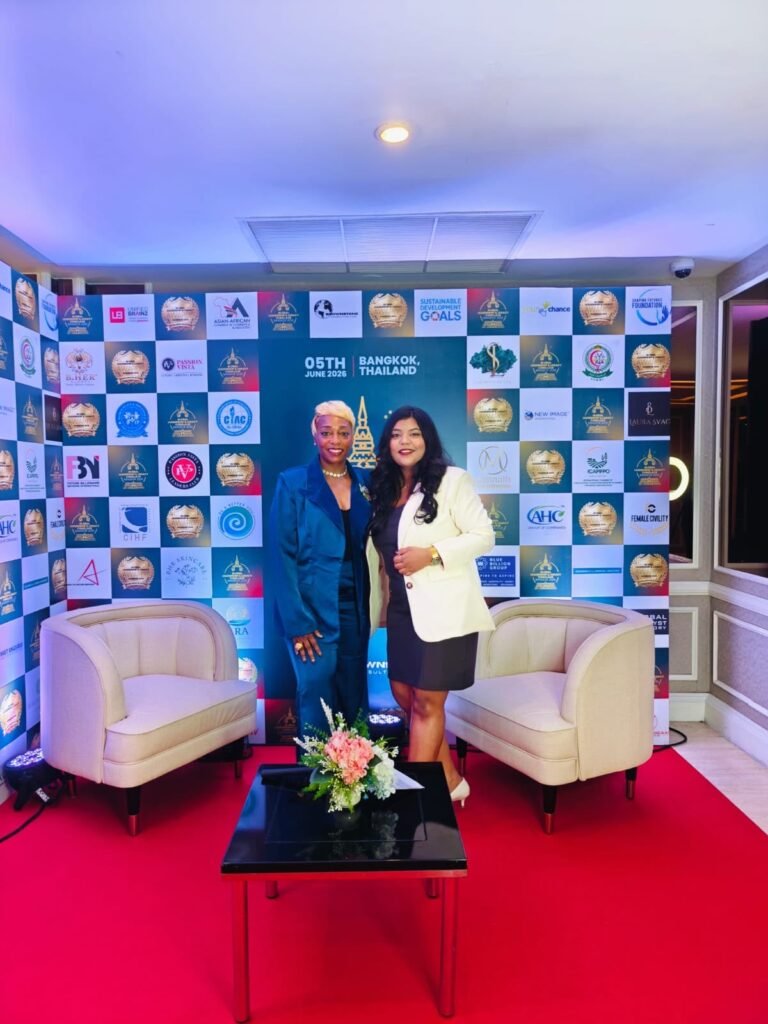
The facets of my life are many, and my career, business, and professional journey are only part of that story.
As I have grown through my “working and earning” life, I have continuously developed and, in many ways, morphed into different versions of myself. I began as a housewife and homemaker, a mother devoted and focused on my family. From there, my journey evolved through the roles of student, consultant, and entrepreneur.
Each phase has been fulfilling in its own way, and every experience has helped me develop into more of who I am today.
That philosophy of continuous growth is also reflected in Sandi Rich Management Consultancies, where I offer consulting modules focused on the personal and professional development of individuals.
I am a firm believer that experience is one’s best teacher. Drawing on 28 years of firsthand, real-life experience, I offer bespoke individual and group workshops covering areas such as negotiation skills, sales presentations and closing, and public speaking.
My three decades in personal financial planning have also revealed something that concerns me deeply: the sheer and abysmal lack of knowledge among many people, and the lack of interest about even the basics of personal financial planning. There is often little desire to understand the serious implications of signing documents which bind and commit individuals that may or may not be enforceable, entering legally binding commitments, or failing to have a Will.
The “live for the moment” and “get rich quick” mentality—which I call the “Vegas Syndrome”—is still very much alive and kicking. So is the idea of simply living life in debt. Incentives to buy now and pay later make it easier to live beyond one’s means; however other than growing debt the active balances with Tabby and Tamara are considered formal debt obligations and directly impact your credit score.
As of July 2026, the Al Etihad Credit Bureau (AECB) officially incorporated Buy Now, Pay Later (BNPL) accounts into UAE credit reports. This rule applies to both new and existing users, and it includes historical transaction data. Any active balance you owe to Tabby or Tamara is viewed by banks as a financial liability. It is factored directly into your Debt Burden Ratio (DBR), which limits your total monthly debt payments to 50% of your gross income. Carrying large BNPL balances can limit your ability to get a home loan or credit card.Another area of concern is ignorance of the law. Ignorantia juris non excusat—the foundational legal principle that a person cannot escape liability for violating a law simply by claiming they did not know it existed—highlights why awareness matters.
Understanding the importance of legal documentation, and the repercussions and implications of commitments, agreements, powers of attorney, Wills, and other legal matters is essential. That is why I partner with lawyers to conduct workshops on contracts, Wills, estate planning, and related areas.
I firmly believe that health and wellness determine our quality of life. Because I am personally focused on my own health and wellness, I partner with qualified health professionals to offer Mind and Body Wellness sessions.
What makes my services different is that they are unique and customised to the requirements of individuals and groups.
I see myself as a “one-stop destination” connected to the key elements that help each of us become financially secure, legally protected, and healthy in mind and body—so that we can enjoy a better quality of life.
My workshops include presentation skills; interpretation and use of body language in a business setting; closing the deal; basic business planning; financial planning using insurance as a risk mitigator; and tailored financial literacy programmes for individuals and groups based on their age, circumstances, employment status, whether they are business owners, stay-at-home women, or students.
I work with lawyers and accountants to create bespoke workshops covering setting up a business, selling a business, exit strategies, and buy/sell agreements.
Alongside this, I curate health and wellness programmes, leadership and wellness challenges, and other initiatives designed around the specific needs of the people I serve.
Ultimately, my journey has taught me that personal and professional development cannot exist in isolation. Financial awareness, legal protection, communication skills, leadership, and physical and mental wellness are all interconnected parts of living a secure, confident, and fulfilling life.
Who has been the most significant source of inspiration in your life?
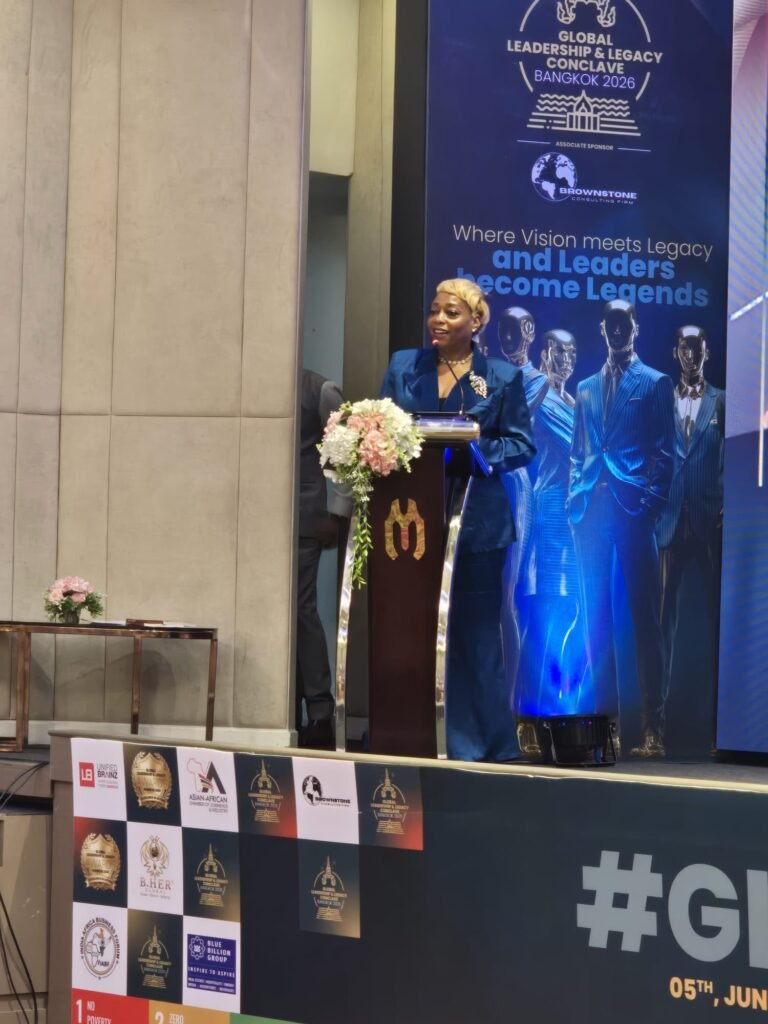
Frankly, no one.
I am not an individual who bases my endeavours on the achievements of others. My inspiration comes from the wisdom and teachings of the ancients, particularly The Buddha and Lord Krishna.
I am inspired by the rhythm of life itself. Over the years, I have come to understand that everything—including us as human beings—moves in a remarkable harmony. We are part of a much greater symphony, connected to what I see as the grand divine design.
Our planet, and each one of us, has an incredible ability to heal, regenerate, adapt, and renew. To me, this is the perfect orchestration of the cycle of life.
When it comes to financial matters, I draw inspiration from Chanakya, the renowned ancient Indian political strategist, economist, and philosopher who played a pivotal role in the establishment of the Mauryan Empire and authored the Arthashastra.
His teachings continue to influence the way I think about strategy, prudence, wealth, and decision-making.
Ultimately, my inspiration comes not from trying to replicate someone else’s success, but from learning from timeless wisdom, observing life, and understanding how those lessons can be applied meaningfully to the world we live in today.
What does maintaining physical fitness mean to you as you advance in age, and what role does it play in your overall quality of life?
For me, physical well-being is deeply connected to mental well-being. According to one of my favourite authors whose work/advice I follow, developmental biologist Dr. Bruce Lipton, a human being is not a single entity, but a cooperative community of roughly 50 trillion living cells.Viewing ourselves as single individuals is an illusion. Instead, our body functions as a “skin-covered petri dish” where each cell acts as an individual, sentient citizen with its own life! Dr. Lipton defines physical health as harmony within this cellular community. Disease or “dis-ease” occurs when disharmony and stress fracture the relationships and communication between the cells.
I have found this to be very true as I adapted and practised what he has written. In order for the two to work in sync, our chemical balance has to be right. That is why I maintain a regular physical fitness regimen—one designed around understanding my own body and what works best for me, with input from trainers, nutritionists, and other professionals when needed.
Believe it or not, after an emotionally or physically stressful day—or sometimes both—going to the gym and now training at the Kalari Club, even when I sometimes have to “drag” myself there, makes a remarkable difference to how I feel.
Exercise helps stimulate mood-boosting neurotransmitters such as dopamine and serotonin, which for me helps reduce feelings of anxiety, stress, and fatigue. It becomes more than just physical exercise; it is a way of resetting my mind and restoring my energy.
When the weather is cooler, I also walk or jog an average of 10 kilometres, three times a week. I find that this not only keeps me active but also helps improve my balance and core strength, as it constantly engages my deep abdominal muscles and challenges my stability.
For me, fitness is therefore not about simply maintaining a certain appearance or chasing a number on a scale; it’s my way of honoring the body I was born with!
interesting information can be included totally at the discretion of the editor When we are born with certain parts of our organs missing we are immediately classified as at ‘risk; incomplete etc.
I have always been blessed with good health. In 1989 I had an ultrasound for the first time. On further investigation, to my surprise/shock/disbelief I discovered
It is about maintaining the physical and mental strength to live fully, work effectively, remain independent, and enjoy the quality of life I want as I grow older.
Could you tell us about your current approach to staying physically active and maintaining your fitness level? How do you maintain mental agility and continue learning, adapting, and challenging yourself as you grow older?
My latest endeavour is Kalarippayattu, also known as Kalari, an ancient Indian martial art that offers physical, mental, and healing benefits. What I particularly appreciate about Kalari is the discipline it teaches and its emphasis on personal responsibility. It reminds me that the body and mind must be at peace with one another.
As I grow older, I am consciously working on maintaining my flexibility, mobility, strength, stamina, agility, and reflexes. The mental aspect is equally important. The routines require focus and concentration, training the mind to maintain sharp and sustained attention.
My approach to health is fundamentally rooted in consistent exercise and mindful eating. Regular weight training, jogging or brisk walking, combined with an appropriate diet, helps me maintain a stronger and healthier body.
I have also made deliberate lifestyle choices around what I eat. I have changed and adjusted my diet over time, I do not give in to cravings, and I do not snack. I have never indulged in emotional eating because, to me, that is simply a cop-out. I believe discipline begins with the choices we make when nobody else is watching.
I have also incorporated intravenous wellness protocols into my routine, which, from my personal experience, have given me an additional boost in how I feel, particularly around digestion, circulation, energy, and overall well-being.
My priorities have increasingly shifted from the external to the internal. I would rather spend more money on my health than on socialising or entertaining others.
Sleep is another essential part of my routine. And whoever says older people need less sleep clearly has not met me! [laughs] I love power naps, and I can fall into a deep sleep even in the noisiest and most uncomfortable places.
For me, restful sleep and staying physically active are foundational to maintaining cognitive sharpness, emotional stability, and overall quality of life.
Most importantly, I have become unapologetic about taking responsibility for my own choices. I generally disregard negative opinions about how I should live my life.
As I grow older, I am learning to listen more closely to myself, challenge myself continuously, and do what I believe is right for my own well-being.
Society and the media often associate ageing with declining physical and mental capabilities. What do you believe this narrative gets wrong?
Both society and the media have increasingly categorised ageing into a series of tick boxes. Unfortunately, the majority often “see” older people as sick, weak, dependent, suffering from some form of dementia, decrepit, and the list goes on.
I believe that narrative is deeply limiting.
Ageing should not automatically be equated with illness, incapacity, or decline. Yet medical professionals and pharmaceutical companies can sometimes perpetuate this narrative by placing people on increasingly long lists of medications rather than looking at the individual, their lifestyle, and the choices that may influence their quality of life.
I have seen this personally through my own mother’s experience.
She was prescribed 12 medications a day, and in addition, her cardiologist was giving her multivitamin injections. Despite all of this, she still suffered a stroke.
When she was admitted to hospital, the attending physician was shocked when they saw the prescription. Her medication was subsequently reduced to five tablets a day.
That experience stayed with me.
It made me question how easily we can begin treating ageing itself as a medical condition, rather than recognising that every individual is different.
For me, growing older is not about accepting a predetermined narrative of weakness or decline. It is about taking responsibility for the things within our control—how we move, how we eat, how we think, how we learn, how we rest, and how we choose to live.
I refuse to believe that getting older means becoming irrelevant, incapable, or simply waiting for the next diagnosis.
Age is a number. How we choose to live with it is another matter entirely.
Have you personally experienced situations where people underestimated your abilities because of your age? How did you respond?
With disdain.
I consider it a waste of my time and energy to worry about people who underestimate me. If someone chooses to judge my capabilities based on my age, they are simply not worth my time or effort.
As the saying goes, there are many fish in the sea—and I see plenty of them. [laughs]
By “fish,” I mean opportunities. I would rather invest my energy in finding the people, organisations, and opportunities that recognise my value than waste it trying to convince those who do not.
What would you say to experienced professionals who feel they are being “written off” by recruiters or employers simply because of their age?
I would tell them: you may simply have outgrown your company.
Move on to greener pastures.
One of the biggest problems I see is that many experienced professionals begin to underestimate themselves. Sometimes this happens gradually, through the unconscious and disempowering comments, attitudes, and behaviours of colleagues, bosses, HR professionals, or recruiters.
Over time, those external messages can become internal beliefs.
My advice is simple: do not allow somebody else’s limited perception of you to become your perception of yourself.
And when it comes to some of the attitudes surrounding age in the workplace, I will remain politically correct and simply say—well, the less said, the better.
Many people lose confidence or become less ambitious as they get older. What helped you maintain your confidence, motivation, and sense of purpose?
For me, it comes down to a few fundamental things:
Attitude. Belief in myself. Confidence. Determination. Energy. Focus. Goals.
These have continued to drive me throughout my journey.
But as I have grown older, my focus has increasingly shifted from the outward to the inward—towards the journey within.
I have realised that if I want to be successful in my business endeavours, I need to maintain focus, clarity of thought, and the ability to execute my objectives with purpose.
It is not enough for me to simply be a mentor, facilitator, orator, consultant, or entrepreneur.
I want to continue doing all of those things with enthusiasm, energy, curiosity, and conviction.
Age has not reduced my ambition. If anything, it has given me greater clarity about where I want to direct it.
I am not trying to prove that I can keep up with my younger self. I am focused on becoming the strongest, clearest, and most purposeful version of myself today.
What were the most challenging obstacles you’ve encountered in your career?
Ageism.
The prejudice, stereotyping, and often very subtle discrimination based on my chronological age was certainly one of the challenges I encountered, particularly with recruiters who seemed to focus primarily on CVs. At the time, my CV did not necessarily reflect the depth of experience I had gained through life because much of that experience had not come through conventional employment.
But, interestingly, what initially appeared to be a disadvantage ultimately became an advantage in my career as a personal financial consultant.
As a mature woman, wife, and mother, I was living many of the same realities as the people I was advising. There was an inherent empathy and understanding of the common challenges families face.
I recognised this and consciously tailored my approach—the questions I asked, the guidance I offered, and the solutions I provided—to the individual in front of me.
I built rapport through understanding. I built confidence through experience.
I often say, “I have a PhD in life.”
And that is a qualification no CV can fully capture.
The “I” in rIver
I am a lover of nature and, as a Cancerian, I have always felt drawn to bodies of water.
I have visited the Gangotri Glacier, the source of the mighty Ganga, and witnessed the powerful rush of water as she begins her journey towards the plains. I have also lived for periods in Allahabad, the place of the Sangam, and Kanpur, experiencing the Ganga as she flows majestically across the landscape before ultimately reaching Gangasagar.
The river, for me, is a powerful and timeless metaphor for life.
Its continuous forward movement mirrors our own human journey. Just as a river begins as a quiet, innocent stream in the mountains, grows wider and more powerful as it encounters turbulent rapids, and eventually becomes calmer as it approaches its destination, our lives move through their own distinct stages—childhood, active adulthood, and what we traditionally call old age.
But let me make one thing very clear:
I am in ACTIVE ADULTHOOD! [laughs]
And like the river, I have no intention of stopping my forward movement.
Editor’s Note
Sandi Saksena, AKA Queen Sandi Rich, represents a powerful blend of financial wisdom, lifelong learning, resilience, and purposeful leadership. From homemaker and mother to consultant, mentor, facilitator, orator, and entrepreneur, her journey reflects the transformative power of experience.
Through Sandi Rich Management Consultancies, she champions financial literacy, professional development, legal awareness, health, and wellness—while challenging society’s limiting perceptions of age.
Her philosophy is simple yet powerful: age should never define potential. With her “PhD in life,” Sandi continues to learn, lead, empower, and move forward—proving that experience is not a limitation, but an extraordinary asset.