Edition – AI Governance, HR Technology & Future of Work Leadership Excellence – 2026
As artificial intelligence rapidly reshapes the modern workplace, organizations are facing one of the most significant transformations in the history of work. While AI is redefining how businesses operate, innovate, and compete, its successful adoption depends not only on technology but also on people, governance, leadership, and organizational readiness. The future belongs to organizations that can successfully align human potential with responsible AI innovation.
Leading this transformation is Michelle Strasburger, Founder and CEO of HR Rebooted, a visionary HR executive, AI strategist, and thought leader with more than two decades of experience helping organizations modernize their people strategies for an AI-driven future. Throughout her distinguished career, Michelle has been at the forefront of transforming human resources within the technology sector, enabling organizations to embrace innovation while maintaining strong governance, compliance, and people-centered leadership.
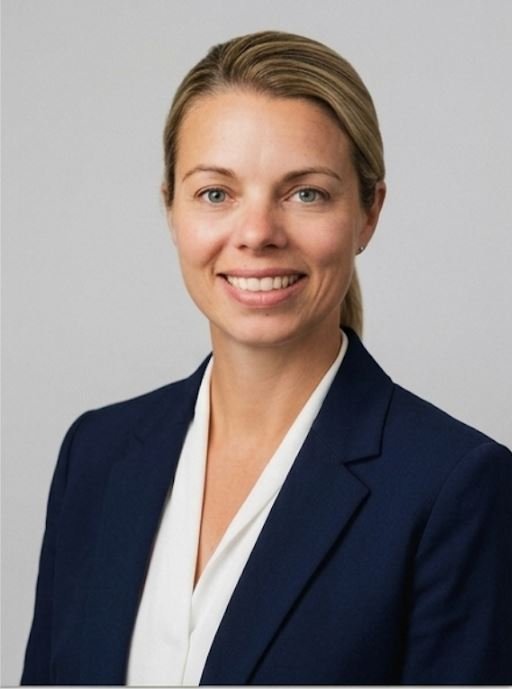
Through HR Rebooted, Michelle is redefining the role of Human Resources by empowering HR leaders to become strategic drivers of AI governance, workforce transformation, and organizational resilience. Her mission extends beyond traditional HR practices, helping businesses confidently navigate the evolving relationship between people, technology, and artificial intelligence.
HR Rebooted delivers comprehensive solutions across three core areas. The firm’s HR and People Strategy practice helps organizations strengthen culture, leadership, learning, talent development, and organizational design while successfully integrating AI into the workplace. Recognizing that technology transformation is ultimately a people transformation, Michelle works closely with executive teams to ensure organizations remain agile, inclusive, and prepared for the future of work.
Complementing these advisory services are two innovative SaaS platforms that support organizations in establishing responsible AI governance while managing AI implementation, oversight, compliance, operational controls, and risk mitigation. These technology-driven solutions enable organizations to adopt artificial intelligence with confidence, ensuring that innovation is balanced with accountability, transparency, and regulatory readiness.
Driven by a passion for helping organizations lead responsibly in a rapidly changing world, Michelle Strasburger continues to champion a new vision for Human Resources—one where HR is no longer simply a support function, but a strategic force shaping the future of leadership, workforce transformation, and responsible artificial intelligence. Through HR Rebooted, she is helping organizations build workplaces where people and AI work together to create sustainable innovation, stronger cultures, and lasting business success.
Please Share the Beginning of Your Career Journey With Us.
My career in Human Resources began shortly after graduating from New Hampshire College’s Three-Year Honors Program during the height of the dot-com bust. Despite the challenging job market, I was fortunate to receive two very different career opportunities—one as a Benefits Administrator for a Fortune 500 company and the other as a Financial Planner. Although the two roles represented completely different career paths, I was drawn to the opportunity to work in a large organization located in the city, and I chose Human Resources.
Ironically, my first role wasn’t one I particularly enjoyed. Benefits administration can often be one of the most challenging and least visible functions within HR. However, what initially seemed like an ordinary starting point quickly became the foundation for everything that followed.
Soon afterward, I had the opportunity to work closely with our Vice President of Human Resources, where I was introduced to the strategic side of the profession. I participated in executive discussions, attended board meetings, and gained exposure to conversations with the CEO. That experience completely changed my perspective. I realized that Human Resources had the power to influence not just individual employees, but the direction, culture, and long-term success of an entire organization. At that moment, I knew I had found the career I was meant to pursue.
Over the next 25 years, I advanced through progressive HR and executive leadership roles, primarily within fast-growing organizations undergoing significant transformation. Throughout my career, I intentionally sought opportunities outside traditional HR responsibilities, taking ownership of functions such as Agile transformation and Plant Quality whenever those initiatives lacked clear organizational ownership. Those experiences challenged me to think differently, continuously learn, and become comfortable stepping outside my comfort zone. Looking back, they taught me that innovation happens when leaders are willing to experiment, embrace uncertainty, and remain open to new ideas.
Much of my career has centered on helping organizations navigate transformation, aligning people strategies with business objectives, and building cultures capable of adapting to constant change. My passion for advancing the HR profession also led me to establish The HR Rebels, a growing professional community of approximately 1,800 HR leaders who meet regularly to discuss emerging workplace trends, challenge conventional thinking, and support one another as the profession continues to evolve.
A few years ago, I began noticing something that concerned me. While artificial intelligence was rapidly transforming nearly every industry, very little conversation was taking place within the HR community about its implications. Having already witnessed how dramatically COVID reshaped the future of work, I recognized that AI would create an equally significant transformation. Yet many HR leaders remained hesitant to engage because, traditionally, the profession has been driven by established regulations and compliance requirements rather than emerging innovation.
Rather than waiting for regulations to define the future, my co-founder, Kelly, and I decided to take action. Together, we created Governance 1st, providing HR professionals with a practical framework and technology platform that enables organizations to establish AI governance before regulations require it. Our goal is to help organizations proactively build governance structures, operationalize responsible AI practices, strengthen risk management, and become audit-ready while empowering HR to lead one of the most important workplace transformations of our time.
Looking back, every stage of my career—from benefits administration to executive leadership, organizational transformation, and AI governance—has reinforced one belief: Human Resources has the opportunity to become one of the most influential strategic functions within any organization. My mission today is to help HR leaders embrace that responsibility and confidently lead the future of work in the age of artificial intelligence.
Could You Highlight the Key Offerings?
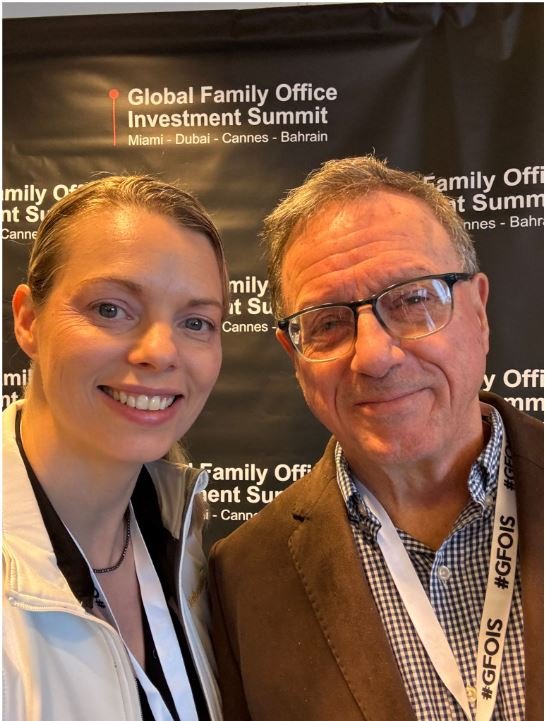
At HR Rebooted, our mission is to help organizations confidently adopt artificial intelligence while ensuring responsible governance, regulatory compliance, and workforce readiness. As AI continues to transform every aspect of business, we believe organizations need more than policies—they need practical systems that enable innovation while effectively managing risk.
Our flagship solution is Governance 1st™, a comprehensive AI governance platform purpose-built for organizations with 100 to 1,000 employees. Governance 1st™ brings together AI governance, policy management, employee education, real-time AI guardrails, continuous monitoring, and compliance oversight into a single, integrated platform. Rather than treating AI governance as a standalone compliance initiative, the platform embeds governance directly into everyday business operations, enabling organizations to embrace AI confidently while maintaining transparency and accountability.
A unique feature of Governance 1st™ is its two companion browser extensions—the Governance 1st™ Browser Extension and Shadow AI Detect & Protect. These tools extend governance directly into the AI applications employees use every day, including ChatGPT, Claude, Gemini, Microsoft Copilot, and hundreds of other AI-powered platforms. This allows organizations to establish practical governance exactly where AI is being used, providing real-time guidance while helping employees work safely and responsibly.
The platform is built around a proven seven-step implementation methodology aligned with the NIST AI Risk Management Framework (AI RMF). This structured approach guides organizations through every stage of AI adoption, including governance development, policy creation, workforce education, implementation of point-of-use guardrails, continuous monitoring, and ongoing optimization. By integrating governance into day-to-day AI usage, organizations can scale innovation without compromising compliance or operational control.
At the heart of Governance 1st™ is our patent-pending technology, which continuously evaluates AI activity using more than 200 intelligent guardrails across ten critical behavioral categories. These include hallucination, bias, behavioral drift, prompt injection, jailbreaking, refusal calibration, bigotry, logical fallacies, partisanship, and misinformation. This continuous oversight helps organizations proactively identify potential risks while promoting responsible and trustworthy AI adoption.
To further simplify compliance, Governance 1st™ includes pre-built governance documentation aligned with globally recognized standards, including the NIST AI Risk Management Framework, ISO/IEC 42001, GDPR, and the EU AI Act. This enables organizations to establish governance quickly while maintaining day-one audit readiness and adapting confidently as AI regulations continue to evolve.
Through Governance 1st™, HR Rebooted is helping organizations move beyond reactive compliance toward proactive AI leadership—empowering businesses to innovate responsibly while giving HR leaders the tools they need to lead one of the most significant workplace transformations of our time.
What Are Your Long-Term Goals, and Where Do You Envision Yourself in the Coming Years?
My long-term vision is to help make responsible AI governance a standard business practice rather than an afterthought. As artificial intelligence becomes embedded into every aspect of work, I believe organizations need practical frameworks that allow them to innovate confidently while maintaining strong governance, compliance, and trust.
One of the exciting milestones on that journey is the launch of my upcoming book, which provides leaders with a practical framework for implementing AI governance within their organizations. My goal is to equip executives and HR leaders with actionable guidance that helps them prepare for the future of work while building responsible AI practices from the ground up.
Stepping into my first CEO role has been both an exciting and rewarding experience. Every day presents new opportunities to learn, grow, and strengthen my leadership. My ambition is to continue expanding HR Rebooted far beyond where we are today. Following the successful launch of Governance 1st™, we already have plans to introduce additional AI-focused solutions that will further support organizations as they navigate the rapidly evolving AI landscape.
Looking ahead, I envision Governance 1st™ becoming deeply integrated into the world’s leading Human Capital Management (HCM) platforms and Large Language Models (LLMs). My hope is that responsible AI governance becomes seamlessly embedded into the technologies organizations use every day, making safe, ethical, and compliant AI adoption the norm rather than the exception.
Beyond products and technology, I am equally passionate about building a company with a culture that people are genuinely proud to be part of. Throughout my career, creating strong organizational cultures has been one of my greatest passions, and I have had the privilege of helping organizations transform their cultures while guiding them through successful growth and exits. I want HR Rebooted to become an example of how purpose, innovation, and people-first leadership can coexist.
In the longer term, after achieving a successful exit with the right strategic partner, I hope to establish an investment firm dedicated to supporting companies that intentionally build exceptional workplace cultures. I believe organizations that genuinely invest in their people create stronger businesses, deliver better outcomes, and generate lasting value for employees, customers, and communities alike.
Ultimately, my goal is to leave behind more than successful products or growing companies. I want to help shape a future where responsible AI, intentional leadership, and people-centered cultures become the foundation for sustainable business success.
Who Has Been the Most Significant Source of Inspiration in Your Life?
Without question, my greatest source of inspiration has always been my parents. Throughout my life, they have demonstrated remarkable resilience, optimism, and unwavering faith, regardless of the challenges they faced. They encountered adversity with strength and grace, never allowing difficult circumstances to define their future or diminish their outlook on life.
What has always inspired me most is the way they chose to live—with love, gratitude, and an unwavering commitment to family. They built a life centered on meaningful relationships, generosity, and the belief that even the greatest challenges can be overcome with the right mindset and determination.
One piece of advice from my father has stayed with me throughout every stage of my personal and professional journey: “Always keep dreaming because when you stop dreaming, you stop living.” Those words have become a guiding principle in my life. They remind me to continue pursuing new ideas, embrace change, remain curious, and never lose sight of the possibilities that lie ahead.
My parents have always encouraged me to become the very best version of myself—not only professionally, but personally as well. Their example has shaped the way I lead, the way I build organizations, and the way I approach every opportunity. Their resilience, positivity, and belief in people continue to inspire me every day, and I strive to carry those same values forward in both my work and my life.
Please List Some of the Notable Recognitions and Accreditations That You and Your Organization Have Received.
Throughout my career, I have always believed that continuous learning and professional development are essential to effective leadership. I have invested significantly in expanding my knowledge and maintaining the highest professional standards, particularly within the fields of human resources, leadership, and organizational transformation.
I hold several of the profession’s most respected HR credentials, including the Senior Professional in Human Resources (SPHR), Global Professional in Human Resources (GPHR), and the SHRM Senior Certified Professional (SHRM-SCP) certifications. I continue to actively maintain each of these certifications to ensure I remain current with the evolving landscape of human resources, leadership, and workforce strategy.
In recognition of my contributions to the HR profession, I was honored as one of Mogul’s Top 100 Chief Human Resources Officers (CHROs) in 2023. This recognition celebrated my work in advancing people strategy, organizational transformation, and leadership excellence.
Earlier, in 2022, I received the prestigious Brainz CREA Global Award, recognizing my innovation, leadership, resilience, and commitment to making a meaningful impact through my work.
My academic foundation includes a Master of Business Administration (MBA) and a Bachelor of Science in International Business, both of which have provided a strong strategic perspective that complements my practical leadership experience across human resources, organizational culture, and business transformation.
While I am deeply grateful for these recognitions and credentials, I view them as milestones rather than destinations. The recognition I value most is seeing organizations successfully transform, leaders gain confidence, and teams embrace change with purpose. Those outcomes continue to inspire my work and reinforce my commitment to helping organizations prepare for the future of work through responsible leadership, intentional culture, and AI governance.
What Were the Most Challenging Obstacles You’ve Encountered in Your Career?
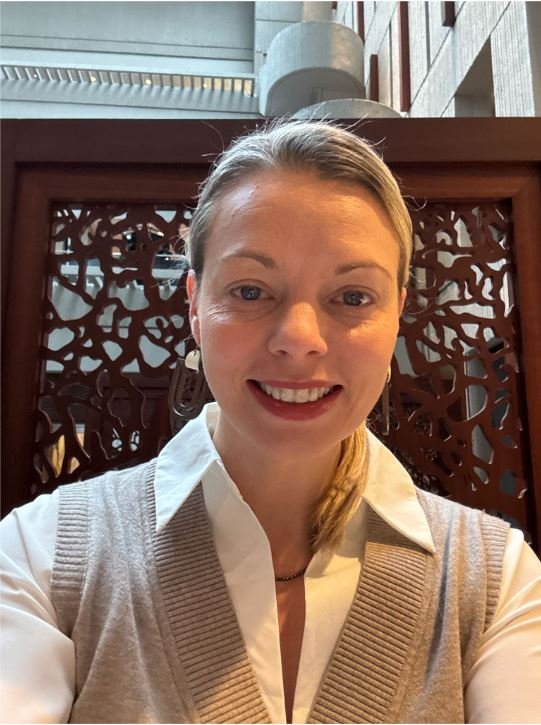
One of the greatest challenges throughout my career has been navigating a corporate environment that, in many ways, still is not designed to fully support women—particularly working mothers. Although significant progress has been made, there remains considerable work to do to create workplaces where everyone has equal opportunities to contribute, grow, and lead.
Throughout my career, I have encountered experiences that reminded me how persistent these challenges can be. There were times when my ideas were overlooked, only to be acknowledged after being repeated by someone else. I have heard comments such as, “Well, that’s the mom in you,” as though being a mother somehow diminished the value of my professional perspective. I have also experienced sexual harassment and gender bias firsthand, including being told by a Chief Human Resources Officer that I was unlikely to receive a leadership opportunity because one day I might want children and might not want to travel—even though I was already successfully managing extensive global travel responsibilities.
The COVID-19 pandemic introduced an entirely new level of complexity. Like many working parents, I was balancing demanding executive responsibilities while simultaneously supporting two children through virtual schooling. My days often began before sunrise helping my oldest son with mathematics before transitioning into back-to-back executive meetings that frequently extended well into the evening. Despite maintaining that pace, assumptions were still made that I was less available because I was working from home with children. Ironically, those assumptions were not applied equally to male leaders who were navigating similar circumstances.
These experiences taught me that, at times, I had to work harder, longer, and more visibly simply to receive the same level of recognition. What made these moments particularly challenging was that they occurred while working within Human Resources—the very profession dedicated to creating equitable, inclusive, and supportive workplaces. Experiencing these realities firsthand strengthened my understanding that policies alone are not enough; organizational culture ultimately determines whether people truly feel valued and respected.
Fortunately, I never allowed those experiences to define my career or limit my ambitions. Instead, they strengthened my resolve and clarified the kind of leader I wanted to become.
Today, those lessons directly influence how we are building HR Rebooted. From the beginning, I have intentionally focused on creating an organization where diversity, inclusion, and respect are foundational principles rather than aspirational goals. Our advisory board reflects diverse backgrounds and perspectives because I believe innovation thrives when different voices are welcomed and encouraged.
We have also built a culture that values trust, collaboration, and outcomes over unnecessary hierarchy or rigid measures of productivity. Rather than focusing on hours worked, we focus on achieving meaningful results. Every team member is encouraged to contribute ideas, challenge assumptions, and participate in shaping the future of the organization. Everyone has a voice, and every perspective matters.
Looking back, the obstacles I encountered became some of my greatest teachers. They reinforced my belief that leadership is not simply about achieving business success—it is about creating workplaces where people feel respected, empowered, and able to reach their full potential. That commitment continues to guide every decision I make as we help organizations prepare for the future of work through responsible AI, intentional leadership, and people-first cultures.