


Hurricane Melissa has left a trail of devastation across Jamaica, becoming one of the most powerful hurricanes in recorded history to strike the Caribbean island. Packing ferocious winds of up to 300 kmph, the Category 5 storm tore through homes, roads, and infrastructure before weakening slightly and moving northwest toward Cuba on Tuesday night.
Historic Landfall and Widespread Destruction
The storm made landfall on Jamaica’s southern coast early Tuesday, unleashing torrential rainfall, flooding, and life-threatening winds that battered the island for hours. In Kingston, the capital, roofs were torn off homes and trees uprooted as waves crashed over coastal barriers. Power outages plunged much of the island into darkness, with communication networks severely disrupted.
Prime Minister Andrew Holness declared the entire island a national disaster area, urging citizens to remain indoors as rescue teams struggled to reach several cut-off communities. “The scale of the devastation is immense,” Holness said. “We are mobilizing every available resource to ensure the safety of our people.”
Casualty Figures Still Unclear
As of Wednesday morning, official casualty figures were not yet available. Preliminary reports confirmed seven storm-related deaths across the Caribbean — three in Jamaica, three in Haiti, and one in the Dominican Republic — even before Melissa’s full force reached the island. Authorities fear the number could rise as floodwaters recede and communication lines are restored.
Government Minister Desmond McKenzie reported extensive damage in Saint Elizabeth, a major agricultural hub known as Jamaica’s “breadbasket.” “The district is underwater,” McKenzie said. “We’ve seen homes destroyed, hospitals damaged, and farmlands completely washed away. The entire island has felt the brunt of Melissa.”
Jamaica Faces Its Worst Hurricane in History
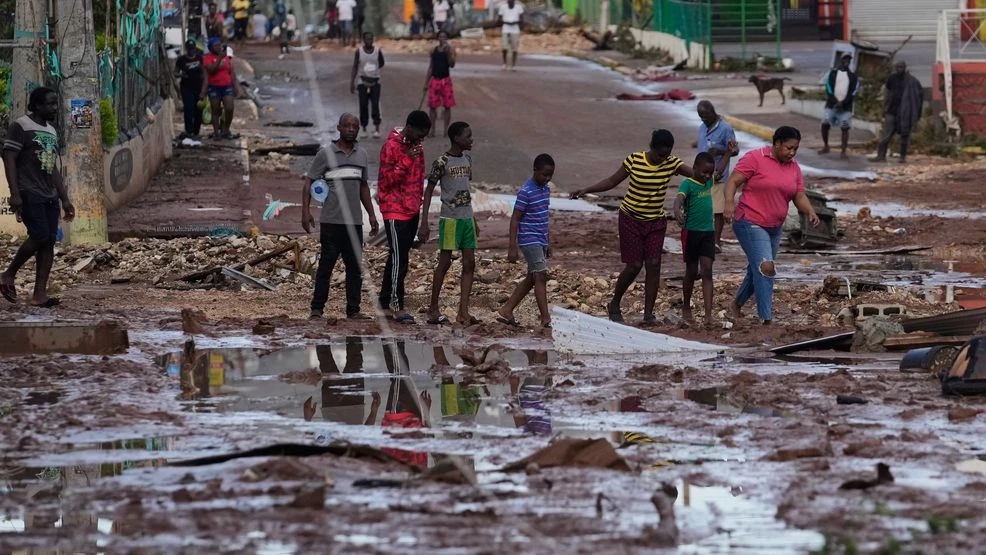
Meteorologists confirmed that Hurricane Melissa is the most powerful storm ever to hit Jamaica, surpassing the destructive force of previous hurricanes such as Gilbert (1988) and Dean (2007). The U.S. National Hurricane Center noted that Melissa made landfall with sustained winds stronger than those of Hurricane Katrina (2005), which devastated New Orleans.
By Tuesday evening, the storm had weakened to a Category 3 hurricane as it crossed the island and moved toward Cuba. However, forecasters warned that Melissa remained extremely dangerous, with the potential to cause severe damage in Cuba and the Bahamas later this week.
Infrastructure and Health Services Crippled
Jamaica’s climate change minister described the storm’s impact as “catastrophic,” citing “severely damaged public infrastructure” and flooded hospitals. Roads and bridges have been washed out, isolating entire parishes from emergency response teams.
Adding to public anxiety, the South East Regional Health Authority (SERHA) issued an unusual warning about displaced crocodiles entering residential areas due to rising floodwaters. “We are urging residents to remain vigilant,” SERHA said in a public advisory.
In Kingston, residents who escaped major damage expressed concern for rural areas. “We were lucky in the capital,” said Mathue Tapper, a 31-year-old resident. “But my heart goes out to the folks living on the western end of the island. They’ve lost everything.”
Climate Change Intensifying Caribbean Storms
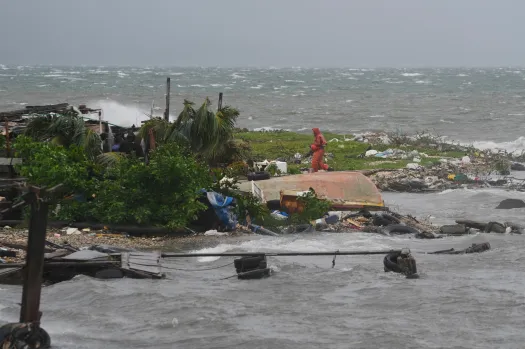
Experts say Hurricane Melissa is yet another alarming sign of how climate change is fueling stronger, slower, and wetter tropical cyclones. Warmer ocean temperatures and altered wind patterns have been linked to the increasing intensity of hurricanes across the Atlantic Basin.
“Human-caused climate change is making all of the worst aspects of Hurricane Melissa even worse,” said climate scientist Dr. Daniel Gilford, emphasizing that the storm’s slow movement led to prolonged rainfall and extreme flooding.
Melissa’s path and behavior bear resemblance to past catastrophic storms like Hurricane Maria (2017) in Puerto Rico and Hurricane Harvey (2017) in Texas — both intensified rapidly and caused extensive flooding.
Global Aid and Relief Efforts Mobilizing
International aid agencies have begun preparing relief operations despite damaged airports and ports. The Jamaican Red Cross pre-positioned emergency supplies, including drinking water, hygiene kits, and tarpaulins, ahead of the storm’s landfall.
The United Nations announced plans to airlift 2,000 relief kits from its regional supply hub in Barbados as soon as conditions allow. “We are coordinating with Jamaican authorities and will extend assistance to other affected nations, including Cuba and Haiti,” said U.N. spokesperson Stephane Dujarric.
The United States Agency for International Development (USAID) also confirmed it was monitoring the situation closely and preparing to deploy disaster response teams to Jamaica and neighboring countries.
Tourism Industry in Crisis
Officials estimated that about 25,000 tourists were in Jamaica when the hurricane hit, many stranded in coastal resorts without power or water. The Jamaica Tourist Board said evacuation efforts were underway once airports reopen.
Tourism, a cornerstone of Jamaica’s economy, could face a months-long recovery. “The beaches and hotels that make Jamaica world-famous have suffered enormous damage,” said an industry spokesperson. “This will test our resilience as a nation.”
Solidarity and Resilience Amid Disaster
Across social media, messages of solidarity poured in from around the world. Jamaica’s Olympic legend Usain Bolt urged followers to stay strong, tweeting, “Pray for Jamaica.” His words were echoed by thousands of users rallying behind the island nation.
Relief centers in less-affected areas have opened their doors to provide shelter and medical care. Community groups are organizing volunteer brigades to clear debris, deliver food, and support emergency responders.
Despite the devastation, stories of resilience are emerging. In Montego Bay, residents used fishing boats to rescue neighbors trapped by rising waters. “We look out for each other here,” said a local volunteer. “Jamaicans always rise after the storm.”
Cuba and Bahamas Brace for Impact
As Hurricane Melissa churns toward Cuba, authorities have issued mass evacuation orders in coastal provinces, warning of life-threatening storm surges and flash floods. The Bahamas, still recovering from past hurricanes, is also on high alert.
Meteorologists expect Melissa to continue weakening slightly but warn it will remain a major hurricane through midweek, with the potential for extensive damage in the western Caribbean.